
Why Are Vitamins Complex to Formulate, Regulate, and Market in Cosmetic Products?
Vitamins are popular cosmetic ingredients, but unstable forms require stable derivatives and protective packaging. Strict EU/UK laws also enforce safety assessments, cumulative exposure caps like Vitamin A limits, and strict restrictions against medicinal claims.
Vitamins have long been among the most valued ingredients in cosmetic formulations. Consumers often associate them with healthier, younger-looking skin, while manufacturers use them to support a wide range of cosmetic claims, from skin conditioning and antioxidant protection to brightening and barrier support.
However, despite their popularity, vitamins are not “simple” cosmetic ingredients. They present numerous formulation challenges, regulatory considerations, stability issues, and marketing limitations that cosmetic companies must carefully address before placing a product on the market.
With increasing scientific scrutiny and evolving legislation, understanding how vitamins should be selected, formulated, substantiated, and promoted has become essential for manufacturers, regulatory professionals, and brand owners.
Why Are Vitamins Used in Cosmetic Formulations?
Unlike pharmaceuticals, cosmetic products are not intended to treat or prevent disease. Instead, according to Regulation (EC) No. 1223/2009, cosmetics are intended to clean, perfume, change appearance, protect, keep in good condition, or correct body odours.
Many vitamins fit perfectly within these cosmetic purposes because they help support the normal condition and appearance of the skin.
Consumers are particularly familiar with ingredients such as:
- Vitamin A (Retinol and its derivatives)
- Vitamin B3 (Niacinamide)
- Vitamin B5 (Panthenol)
- Vitamin C (Ascorbic Acid and derivatives)
- Vitamin E (Tocopherol and Tocopheryl Acetate)
- Vitamin F (essential fatty acids, although not considered a true vitamin)
These ingredients have become key components of modern skincare due to their well-established cosmetic functions and broad consumer recognition.
However, each vitamin presents unique scientific and regulatory considerations.
How Are Vitamins Regulated in Cosmetic Products Under EU Law?
Within the European Union, vitamins used in cosmetics are regulated under Regulation (EC) No. 1223/2009.
Importantly, there is no general list authorising vitamins for cosmetic use. Instead, manufacturers must ensure that every ingredient complies with all applicable provisions of the Regulation, including:
- Annex II (prohibited substances);
- Annex III (restricted substances);
- Annex IV (colourants);
- Annex V (preservatives);
- Annex VI (UV filters).
Furthermore, every cosmetic product requires a safety assessment documented within the Cosmetic Product Safety Report (CPSR), where each vitamin must be evaluated considering:
- toxicological profile;
- concentration;
- exposure scenario;
- target population;
- frequency of use;
- cumulative exposure where appropriate.
The safety assessor must determine whether the finished formulation remains safe under normal and reasonably foreseeable conditions of use.
Why Is Vitamin A Subject to Strict Cosmetic Regulations?
Among all cosmetic vitamins, Vitamin A derivatives have received the greatest regulatory attention.
Retinol, Retinyl Acetate and Retinyl Palmitate are widely recognised for improving the appearance of photoaged skin, supporting skin renewal and reducing the visible appearance of wrinkles.
However, excessive exposure to Vitamin A has long raised concerns because consumers may receive additional vitamin A from dietary supplements and food.
Following scientific evaluations by the Scientific Committee on Consumer Safety (SCCS), the European Union introduced specific concentration limits for several Vitamin A derivatives in cosmetic products.
Manufacturers therefore need to carefully verify compliance when formulating products containing retinoids, especially where multiple products may be used simultaneously as part of a skincare routine.
These restrictions illustrate an important regulatory principle: ingredients with recognised cosmetic benefits may still require limitations when cumulative consumer exposure becomes a concern.
Why Is Niacinamide Used in Skincare Formulations?
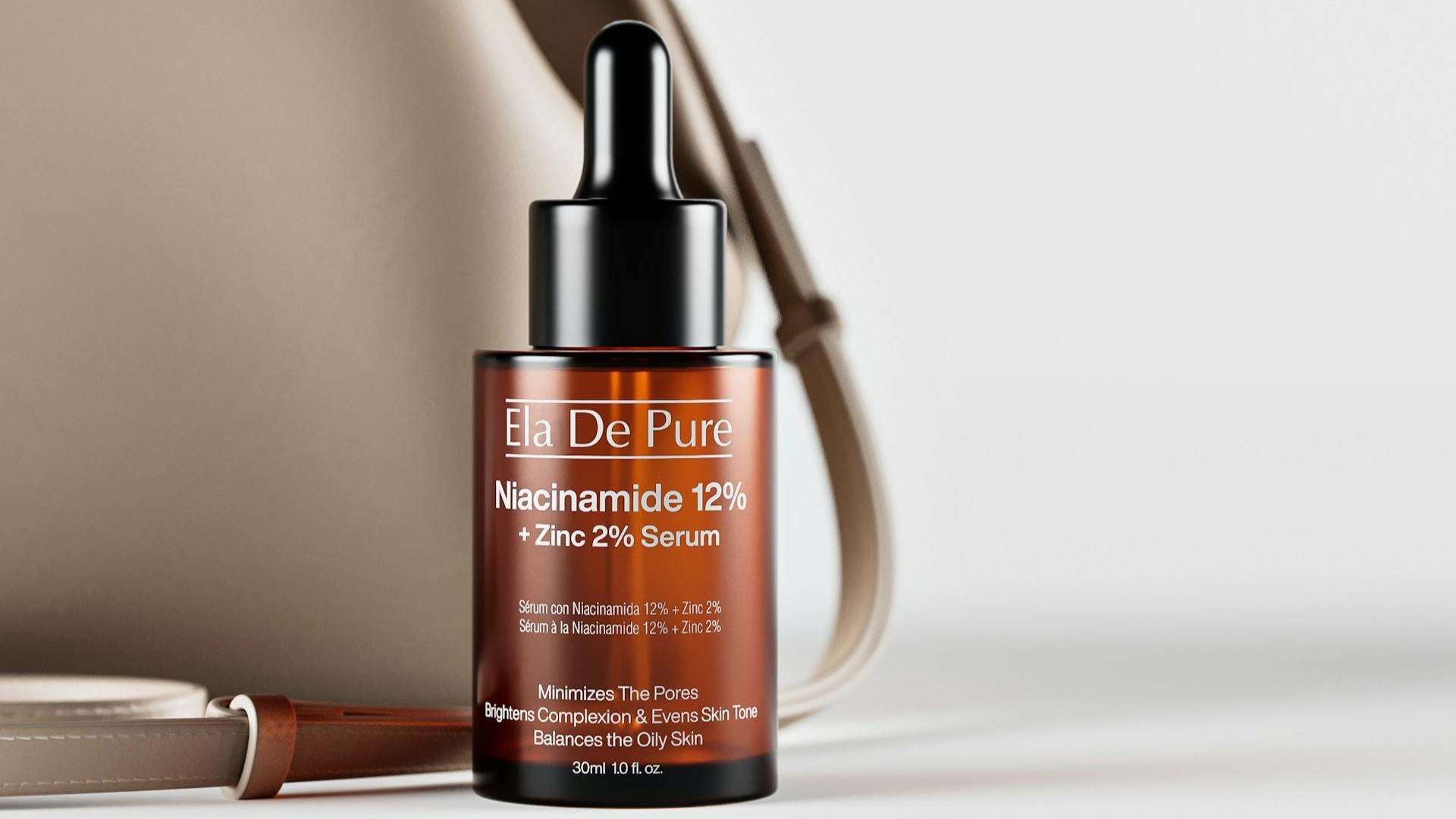
Vitamin B3, commonly listed as Niacinamide, has become one of the most widely used skincare ingredients.
Its popularity stems from its versatility.
Depending on the formulation, niacinamide may contribute to:
- improving the appearance of uneven skin tone;
- supporting the skin barrier;
- reducing the appearance of enlarged pores;
- enhancing skin smoothness;
- helping maintain skin hydration.
Unlike Vitamin A derivatives, niacinamide is not currently subject to specific concentration limits under the Cosmetic Regulation.
Nevertheless, higher concentrations do not automatically produce better cosmetic performance.
Very high levels may increase the likelihood of temporary flushing or skin discomfort in susceptible individuals, particularly if the formulation pH is not adequately controlled.
Formulators therefore balance efficacy, consumer tolerance and product stability rather than simply maximising the concentration.
Why Is Vitamin C Unstable in Skincare and Which Derivatives Work Best?
Few cosmetic ingredients have achieved the popularity of Vitamin C.
Consumers often associate it with brighter-looking skin and antioxidant protection, making it a common feature of premium skincare products.
However, pure Ascorbic Acid is notoriously unstable.
It is highly sensitive to:
- oxygen;
- light;
- elevated temperature;
- metal ions;
- formulation pH.
Oxidation gradually converts Vitamin C into degradation products that reduce cosmetic performance and may darken the formulation.
For this reason, manufacturers frequently choose more stable derivatives such as:
- Sodium Ascorbyl Phosphate;
- Magnesium Ascorbyl Phosphate;
- Ascorbyl Glucoside;
- 3-O-Ethyl Ascorbic Acid;
- Tetrahexyldecyl Ascorbate.
Each derivative offers different characteristics regarding stability, skin penetration and formulation compatibility.
Selecting the appropriate form therefore depends on both scientific objectives and commercial positioning.
Why Is Vitamin E Used in Skincare and Cosmetic Formulations?
Vitamin E is another cornerstone of cosmetic formulation.
Beyond its recognised skin-conditioning properties, Tocopherol serves an important technological function by helping protect oils and other oxidation-sensitive ingredients within the formulation.
In many products, Vitamin E contributes to extending formulation stability rather than acting solely as an active cosmetic ingredient.
This dual role explains why it appears in numerous ingredient lists, including products that do not actively promote Vitamin E in their marketing.
Why Is Panthenol Used in Skincare and Cosmetic Formulations?
Provitamin B5 (Panthenol) is particularly appreciated because of its excellent skin compatibility.
It is commonly incorporated into products intended for:
- sensitive skin;
- children’s skincare;
- after-sun products;
- haircare;
- scalp care.
Panthenol is generally well tolerated and compatible with a wide range of cosmetic formulations.
Nevertheless, manufacturers must still substantiate any performance claims they choose to communicate.
For example, while statements such as “helps maintain skin hydration” may often be supported through formulation rationale and published literature, stronger therapeutic statements would exceed the definition of a cosmetic product.
Why Does Higher Ingredient Concentration Not Mean Better Skincare Performance?
Modern cosmetic marketing frequently highlights percentages such as:
- 10% Vitamin C;
- 15% Niacinamide;
- 20% Vitamin C Complex.
Consumers often interpret these numbers as indicators of superior efficacy.
In reality, cosmetic performance depends on numerous variables beyond concentration alone, including:
- ingredient stability;
- formulation pH;
- delivery system;
- compatibility with other ingredients;
- packaging;
- application frequency;
- overall formulation design.
A poorly stabilised 20% Vitamin C serum may deliver inferior performance compared to a carefully formulated product containing a lower concentration of a stable derivative.
Responsible marketing should therefore avoid implying that concentration alone determines product quality.
Why Is Packaging Critical for Vitamin Stability in Cosmetic Products?
Many vitamins degrade when exposed to environmental conditions.
Packaging selection therefore becomes a key component of formulation design.
Examples include:
- airless pumps for oxidation-sensitive formulations;
- opaque containers to minimise light exposure;
- low-oxygen filling processes;
- UV-protective packaging;
- compatibility testing between formulation and packaging materials.
Packaging should never be viewed merely as a branding element; it is often essential for preserving ingredient stability throughout the product’s shelf life.
What Are the Regulatory Requirements for Cosmetic Claims Under EU Regulation 655/2013?

The popularity of vitamins has led to increasingly ambitious marketing claims.
Under Commission Regulation (EU) No. 655/2013, cosmetic claims must comply with six common criteria, including:
- legal compliance;
- truthfulness;
- evidential support;
- honesty;
- fairness;
- informed decision-making.
Manufacturers should therefore distinguish carefully between cosmetic and medicinal language.
Acceptable cosmetic wording may include:
- “helps maintain skin hydration”;
- “helps improve the appearance of uneven skin tone”;
- “supports smoother-looking skin”;
- “helps protect the skin against oxidative stress caused by environmental factors.”
Conversely, statements implying treatment, prevention or physiological modification—such as “repairs DNA damage,” “treats acne,” “stimulates collagen production,” or “reverses skin ageing”—may fall outside the scope of cosmetic legislation unless appropriately substantiated and legally justified.
Regulatory authorities across multiple jurisdictions continue to monitor vitamin-related claims with increasing attention.
What Are the Global Regulatory Considerations for Cosmetic Products Containing Vitamins?
Although vitamins are widely accepted cosmetic ingredients, regulatory expectations vary internationally.
In the United States, the FDA assesses products according to their intended use. Cosmetic products making therapeutic claims may be regulated as drugs regardless of ingredient composition.
Following the introduction of the Modernization of Cosmetics Regulation Act (MoCRA), manufacturers are also subject to enhanced safety and record-keeping obligations.
In the United Kingdom, the UK Cosmetics Regulation largely mirrors the European framework, although future divergence remains possible.
Companies marketing internationally should therefore evaluate formulation compliance, ingredient restrictions and marketing claims separately for each jurisdiction.
What Are the Best Practices for Manufacturers Formulating Vitamin-Based Cosmetics?
Successful vitamin-based cosmetics require collaboration between formulation scientists, regulatory specialists and quality professionals.
Key recommendations include:
- selecting vitamin forms appropriate for the intended formulation;
- performing robust stability studies;
- evaluating packaging compatibility;
- supporting claims with appropriate scientific evidence;
- monitoring regulatory developments affecting restricted ingredients;
- ensuring accurate INCI declarations;
- avoiding exaggerated efficacy claims;
- educating consumers regarding realistic cosmetic benefits.
These practices help minimise regulatory risk while maintaining consumer confidence.
Conclusion: Why Are Vitamins Complex to Formulate and Manage in Modern Cosmetics?
Vitamins remain among the most valuable ingredients available to cosmetic formulators. Their popularity is supported by extensive scientific research, strong consumer recognition and broad formulation versatility.
Nevertheless, vitamins also illustrate the complexity of modern cosmetic development. Stability challenges, packaging requirements, regulatory restrictions, safety assessments and claim substantiation all influence whether a formulation ultimately succeeds in the marketplace.
Rather than viewing vitamins as simple “active ingredients,” manufacturers should recognise them as components requiring careful scientific and regulatory management throughout the entire product life cycle.
Companies that combine sound formulation science with robust regulatory compliance and responsible marketing are best positioned to develop vitamin-based cosmetics that are not only innovative and commercially attractive, but also safe, compliant, and worthy of long-term consumer trust.
Need assistance with your compliance? Reach out!
Key Takeaways: Vitamin Formulation and Regulation for Cosmetics
- Vitamin A derivatives face strict SCCS concentration limits under EU and UK laws due to cumulative exposure risks.
- Pure vitamin C (ascorbic acid) is highly unstable, making stable derivatives and protective packaging like airless pumps essential for efficacy.
- Niacinamide (vitamin B3), panthenol (vitamin B5), and vitamin E offer broad versatility, though high concentrations can cause skin irritation or require strict claim support.
- All marketing language must comply with Regulation (EU) No. 655/2013, which strictly bans medicinal claims such as “treats acne” or “stimulates collagen.”
- Compliance is non-transferable globally, meaning US (MoCRA), UK, and EU markets require separate formula, label, and safety assessments.
- Product success relies on complete Cosmetic Product Safety Reports (CPSR), accurate INCI declarations, and continuous regulatory oversight.