What are the main regulatory challenges for scalp care products?
Scalp care products must comply with EU cosmetics legislation, particularly regarding claims that could imply medicinal benefits. Manufacturers must substantiate claims, assess product safety and ensure packaging and application methods are suitable. Early regulatory review helps brands manage compliance risks while developing innovative scalp care products.
Over the past few years, scalp care has become one of the fastest-growing segments of the beauty industry. Once considered a niche category mainly associated with dandruff shampoos, scalp care has evolved into a sophisticated market that includes serums, exfoliating treatments, leave-on tonics, scalp masks, pre-shampoo oils and microbiome-inspired formulations.
Consumers increasingly recognise that healthy hair starts with a healthy scalp, and social media has significantly accelerated interest in routines dedicated specifically to scalp wellness. As a result, cosmetic companies are rapidly expanding their portfolios with products targeting scalp hydration, comfort, sebum balance and hair appearance.
However, while innovation is flourishing, scalp care products also represent one of the cosmetic categories for which regulatory compliance deserves particular attention. The proximity between cosmetic and medicinal claims makes this area especially challenging, and manufacturers must ensure that marketing strategies remain fully aligned with cosmetic legislation.
What exactly are scalp care products?
Scalp care products are cosmetics specifically intended to maintain the scalp in good condition rather than simply cleansing the hair.
Today’s market includes a wide variety of formulations, such as:
- leave-on scalp serums;
- scalp tonics;
- exfoliating scalp scrubs;
- scalp masks;
- pre-shampoo treatments;
- scalp oils;
- soothing lotions;
- microbiome-supporting formulations;
- anti-pollution scalp treatments.
Although these products differ considerably in formulation and application, they generally share similar cosmetic objectives: maintaining scalp comfort, improving the appearance of the scalp, reducing the feeling of oiliness or dryness and creating favourable conditions for healthy-looking hair.
Under Regulation (EC) No. 1223/2009, these products remain cosmetics provided that their intended purpose is limited to cleaning, protecting, keeping the scalp in good condition, perfuming it, changing its appearance or correcting body odours.
The cosmetic–medicinal borderline
When are scalp care products classified as medicines rather than cosmetics?
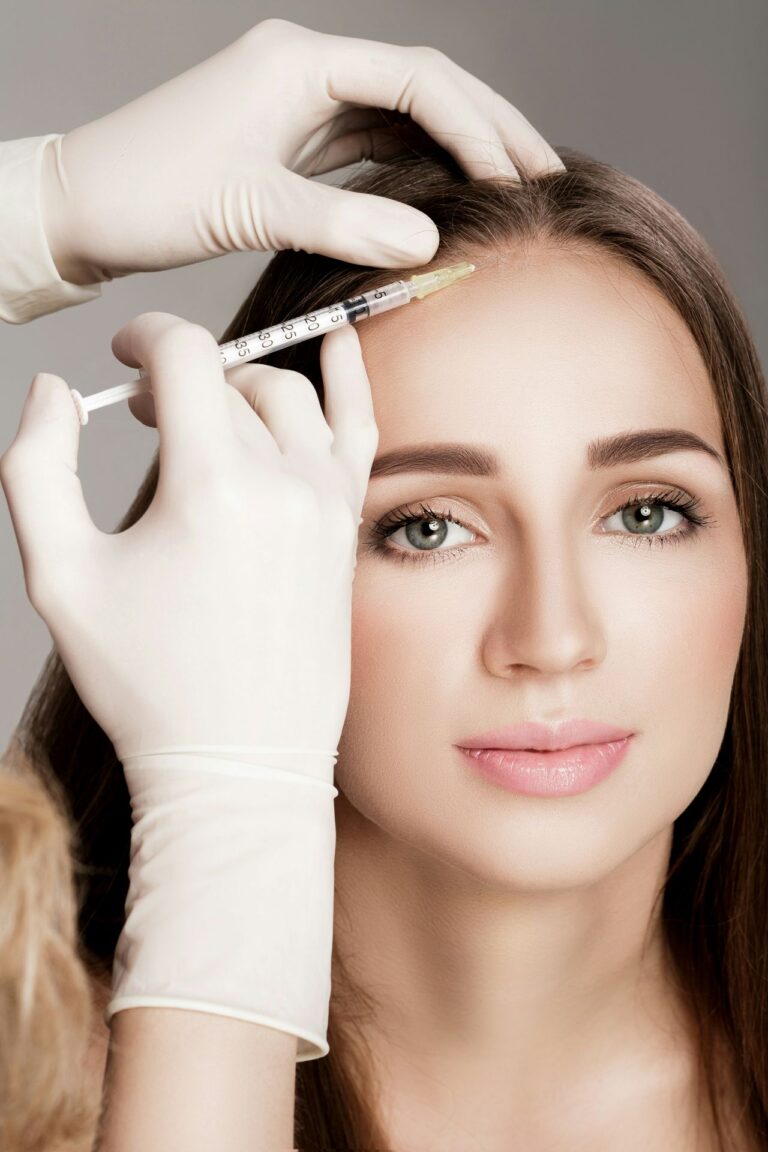
One of the most delicate regulatory issues concerns the distinction between cosmetic and medicinal products.
The scalp is closely associated with common medical conditions such as alopecia, seborrhoeic dermatitis, psoriasis and fungal infections. Consequently, marketing language can easily cross the boundary established by cosmetic legislation.
For example, cosmetic claims such as:
- helps maintain a healthy-looking scalp;
- reduces the appearance of excess oil;
- helps soothe feelings of discomfort;
- improves scalp hydration;
- helps reduce visible flakes associated with dry scalp;
- supports stronger-looking hair;
may generally fall within the cosmetic framework when properly substantiated.
However, significantly different regulatory implications arise if products claim to:
- treat hair loss;
- stimulate hair regrowth;
- prevent baldness;
- cure dandruff caused by fungal infection;
- reduce scalp inflammation;
- eliminate pathogenic microorganisms;
- modify physiological functions.
These statements may indicate a medicinal purpose depending on the overall presentation of the product, applicable legislation and national competent authorities’ interpretation.
Importantly, the assessment is never based solely on one isolated sentence. Authorities evaluate the product as a whole, considering packaging, advertising, website content, images, testimonials and even consumer perception.
For this reason, regulatory review should always be integrated into product development from the earliest stages.
Can scalp care products make hair growth claims?
Perhaps no category generates more regulatory questions than products intended for thinning hair. Consumers naturally associate scalp treatments with hair growth, making this a highly attractive marketing area. Nevertheless, cosmetic legislation focuses on improving appearance rather than treating physiological disorders.
Claims such as:
- improves the appearance of fuller hair;
- helps hair appear thicker;
- reduces hair breakage;
- strengthens the hair fibre;
- improves hair resistance to mechanical stress;
are generally easier to support as cosmetic benefits.
Conversely, statements referring to hair follicle stimulation, increased hair growth, activation of dormant follicles or treatment of androgenetic alopecia may move the product into medicinal territory.
Scientific evidence supporting cosmetic claims should therefore be carefully selected to avoid implying pharmacological activity.
What are the regulatory challenges of scalp microbiome products?
Another rapidly expanding area involves products marketed as supporting the scalp microbiome. Consumers increasingly recognise the importance of maintaining a balanced microbial ecosystem, encouraging brands to develop formulations containing prebiotics, postbiotics and fermentation-derived ingredients.
While microbiome science offers exciting opportunities, regulatory compliance remains essential. Claims should focus on maintaining scalp balance, supporting scalp comfort or helping preserve the natural skin ecosystem rather than implying treatment of microbial diseases or elimination of pathogenic organisms unless appropriately justified and legally permissible.
As microbiome research continues to evolve, companies should ensure that scientific evidence remains robust enough to support increasingly sophisticated marketing messages.
What safety considerations apply to scalp care products?
Although scalp products are evaluated under the same principles as any other cosmetic, several aspects deserve additional attention during the Cosmetic Product Safety Report (CPSR).
Many scalp treatments are leave-on products, resulting in prolonged contact with the skin. Some formulations are intended for daily application over extended periods, increasing cumulative exposure. Others contain ingredients designed to create warming or cooling sensations, requiring careful assessment of skin irritation potential.
Products formulated with exfoliating acids, essential oils or highly concentrated botanical extracts should also be evaluated carefully for irritation and sensitisation risks, particularly if consumers may apply them to compromised or sensitive skin. Where products are intended to remain on the scalp overnight, realistic exposure scenarios should be incorporated into the safety assessment.
What evidence is needed to substantiate cosmetic claims?
Regulation (EU) No. 655/2013 establishes the Common Criteria that all cosmetic claims must satisfy.
Regardless of marketing trends, manufacturers remain responsible for ensuring that every claim is truthful, adequately supported and understandable for consumers.
Substantiation may involve:
- instrumental testing;
- consumer perception studies;
- dermatologist evaluations;
- literature supporting ingredient efficacy;
- compatibility between ingredient evidence and finished product performance.
Claims inspired by social media trends should receive exactly the same level of scientific scrutiny as traditional cosmetic claims. The popularity of an ingredient or marketing concept never replaces the need for appropriate evidence.
How does packaging affect scalp care product safety?
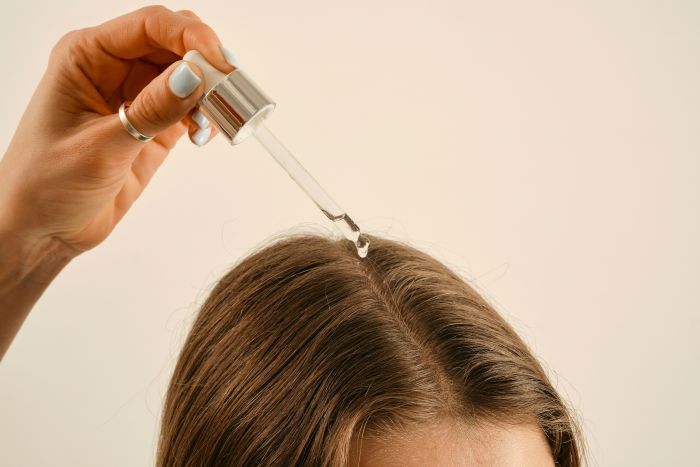
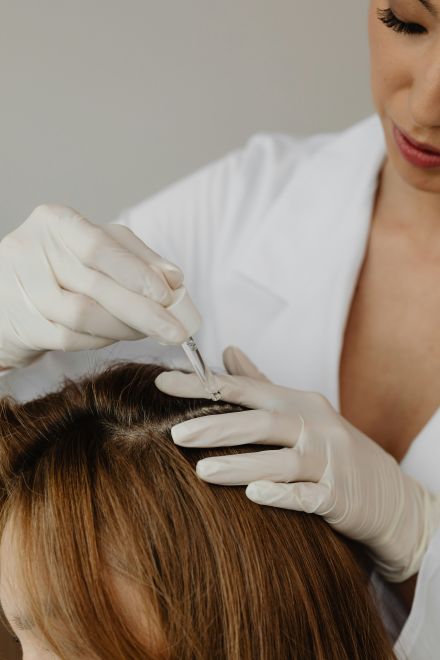
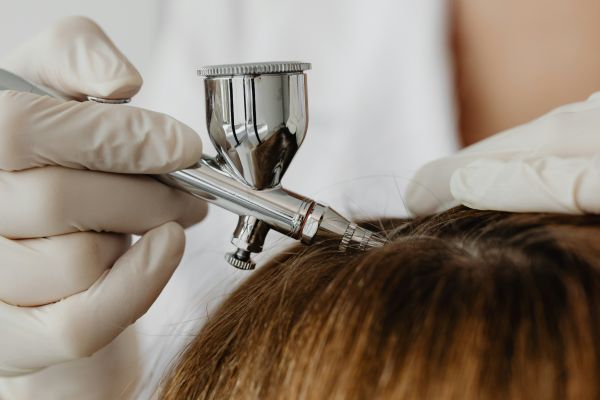
Many scalp products use innovative delivery systems designed to improve application directly onto the scalp.
Examples include:
- precision droppers;
- narrow applicator nozzles;
- roll-on systems;
- spray dispensers;
- massage applicators.
These packaging solutions can improve user experience but should also be considered during product development. Manufacturers should evaluate whether packaging influences microbiological stability, consumer exposure, dosage consistency or preservative performance. Compatibility studies remain an essential component of overall product development.
What are the most common regulatory mistakes in scalp care products?
Several recurring issues continue to appear in scalp care products entering the European market.
Among the most frequent are:
- medicinal wording suggesting treatment of alopecia;
- unsupported hair growth claims;
- exaggerated microbiome claims;
- insufficient substantiation for “clinically proven” statements;
- confusing cosmetic and pharmaceutical terminology;
- overreliance on ingredient studies without demonstrating finished product efficacy.
Many of these problems can be avoided through early collaboration between research and development, regulatory affairs, toxicologists and marketing departments. Building compliance into product development is considerably more efficient than attempting to modify claims shortly before product launch.
What does the future hold for scalp care products?
Scalp care is expected to remain one of the most dynamic sectors of the cosmetic industry. Growing scientific knowledge, increasing consumer awareness and continuous product innovation will likely generate even more sophisticated formulations targeting scalp comfort, hydration, microbiome balance and the overall appearance of healthier hair.
At the same time, regulatory expectations will continue to evolve. Authorities are paying increasing attention to cosmetic claims, particularly in categories that closely resemble medicinal products. Companies that invest in robust safety assessments, carefully substantiated claims and clear regulatory strategies from the earliest stages of development will be better positioned to bring innovative scalp care products to market while maintaining full compliance with European cosmetic legislation.
Ultimately, successful scalp care products are those that combine scientific innovation with responsible communication. Delivering genuine cosmetic benefits without overstepping the legal boundaries of cosmetic regulation not only protects manufacturers from compliance risks but also helps build long-term consumer trust in an increasingly competitive market.
Key takeaways: scalp care product regulations
- Scalp care products must comply with EU cosmetics legislation, and claims suggesting medicinal benefits may require a different regulatory classification.
- Hair growth and microbiome claims must be carefully worded and supported by appropriate scientific evidence.
- Safety assessments must consider prolonged exposure, irritation, sensitisation and the effects of packaging and application methods.
- Early regulatory review helps ensure cosmetic claims are substantiated and products meet EU regulatory requirements.