Why Are DIY Cosmetic Trends Dangerous to Your Health and Safety?
Altering commercial cosmetics voids safety assessments, weakens preservative systems, and introduces dangerous bacterial contamination from unsterile tools. Mixing unapproved ingredients into lip products creates toxicological risks, while gifting or selling modified formulas transfers full legal liability to the creator.
In recent years, social media platforms have transformed cosmetic trends into viral challenges. From homemade face masks and whipped body butters to customised lip glosses, consumers are increasingly encouraged to become “formulators” in their own homes.
One of the latest trends involves transferring commercial lip glosses into a new container, mixing different shades together, and adding cosmetic glitter, loose pigments, or even highlighters to create a unique shimmering product.
Although these practices may appear harmless, they introduce significant safety, microbiological, chemical, and regulatory concerns that are often overlooked.
Cosmetics are not simply mixtures of attractive ingredients; they are carefully designed products that undergo extensive formulation development, compatibility studies, microbiological assessments, stability testing, and safety evaluations before reaching the market.
Understanding why DIY (“Do It Yourself”) cosmetic modifications can compromise product safety is essential for consumers, manufacturers, and retailers alike.
Why Do Cosmetics Require Safety Assessments Before Market Placement?
Every cosmetic product placed on the European market under Regulation (EC) No. 1223/2009 must undergo a comprehensive safety assessment performed by a qualified safety assessor.
Before a product is placed on the market, manufacturers evaluate numerous parameters, including:
- Ingredient compatibility
- Stability under different environmental conditions
- Microbiological quality
- Preservative efficacy (Challenge Test)
- Packaging compatibility
- Exposure assessment
- Toxicological profile of every ingredient
- Product performance throughout its shelf life
Even seemingly simple products such as lip glosses require extensive formulation work before they can be considered safe.
When consumers alter a finished cosmetic, these carefully validated safety conditions may no longer apply.
Does Mixing Cosmetics Affect the Original Formulation and Safety?
Many viral videos show users mixing two or more lip glosses into a decorative container to create a personalised colour or finish.
While visually appealing, this practice fundamentally changes the formulation.
Every commercial cosmetic is designed with a specific balance of oils, waxes, pigments, emulsifiers, polymers, preservatives, antioxidants, and fragrance components. Altering the proportions of these ingredients may affect:
- viscosity;
- texture;
- colour stability;
- preservative performance;
- oxidation rate;
- overall product stability.
A preservative system that effectively protects the original formulation may no longer be sufficient once additional materials are introduced or when the ingredient ratios change.
What Are the Microbiological Risks of DIY Cosmetics?
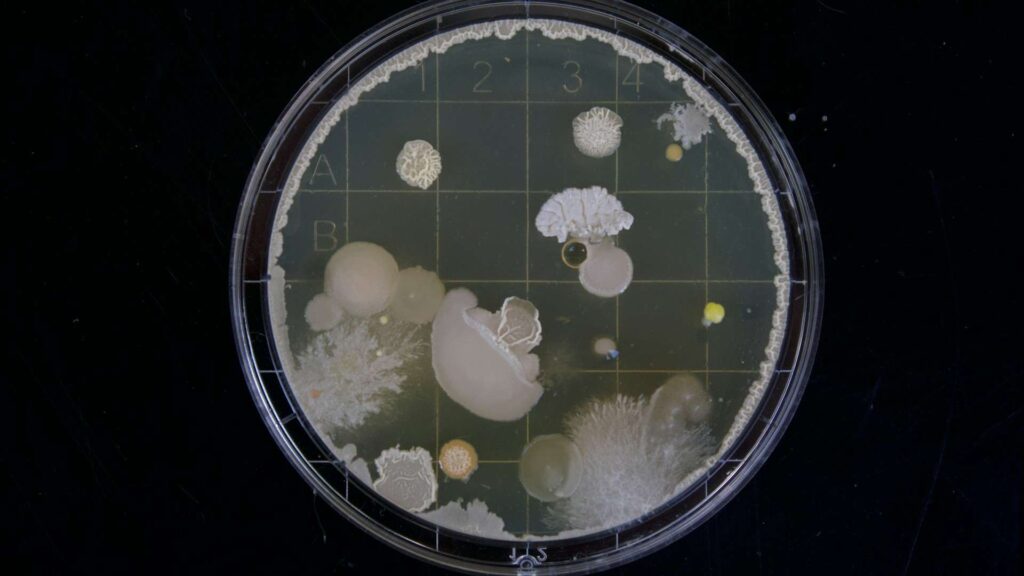
One of the greatest concerns associated with DIY cosmetics is microbiological contamination.
Commercial cosmetics are manufactured according to Good Manufacturing Practices (ISO 22716), under controlled hygienic conditions that minimise microbial contamination during production and packaging.
By contrast, homemade cosmetic modifications often involve:
- opening multiple products;
- transferring contents between containers;
- using spatulas or household utensils;
- touching products with fingers;
- reusing containers that have not been properly sterilised.
Each manipulation increases the opportunity for microorganisms to enter the product.
Lip products deserve particular attention because they come into direct contact with the mouth, where bacteria and yeasts are naturally present. During repeated use, contamination levels can increase considerably.
If the preservative system is compromised, microorganisms may proliferate throughout the product’s shelf life.
Are New Containers Cosmetic-Safe?
Another frequently overlooked issue concerns the containers themselves.
Many DIY enthusiasts purchase decorative jars or refillable tubes from online marketplaces without verifying whether these materials are suitable for cosmetic use.
Professional cosmetic packaging undergoes extensive compatibility testing to evaluate:
- chemical resistance;
- migration of packaging components;
- seal integrity;
- oxygen permeability;
- UV protection;
- long-term storage performance.
Containers intended for crafts or food applications may release unwanted substances into oily cosmetic formulations or fail to adequately protect the product from oxidation.
Packaging is therefore an integral part of cosmetic safety rather than merely an aesthetic choice.
Is Adding Highlighter to Lip Gloss Safe?
Perhaps the most concerning trend is adding powdered highlighter or loose pigments into lip glosses to create extra sparkle.
Consumers often assume that because the highlighter is itself a cosmetic product, it can safely be used anywhere on the body.
This assumption is incorrect.
Cosmetic products are developed for specific areas of application. Ingredients suitable for facial skin are not automatically appropriate for the lips, eyes, or mucous membranes.
For example, some pigments or decorative effects may be permitted in face products but not intended for products that can be accidentally ingested.
Similarly, certain glitter particles may have particle sizes or physical characteristics unsuitable for repeated lip application.
Without knowledge of ingredient restrictions and intended conditions of use, consumers may unintentionally create products that fall outside their original safety assessment.
Can Preservatives Adapt Automatically to Formulation Changes?
Many consumers believe preservatives “kill all bacteria” regardless of what happens to the formulation.
In reality, preservatives are carefully selected according to numerous formulation parameters, including:
- water activity;
- pH;
- oil/water ratio;
- emulsifier system;
- viscosity;
- packaging type;
- expected consumer use.
Changing any of these variables can reduce preservative effectiveness.
Furthermore, preservatives do not instantly eliminate microorganisms introduced during repeated handling.
Their performance is demonstrated through preservative efficacy testing performed on the original formulation—not on a consumer-modified version.
What Does Cosmetic Stability Really Mean Beyond Appearance?
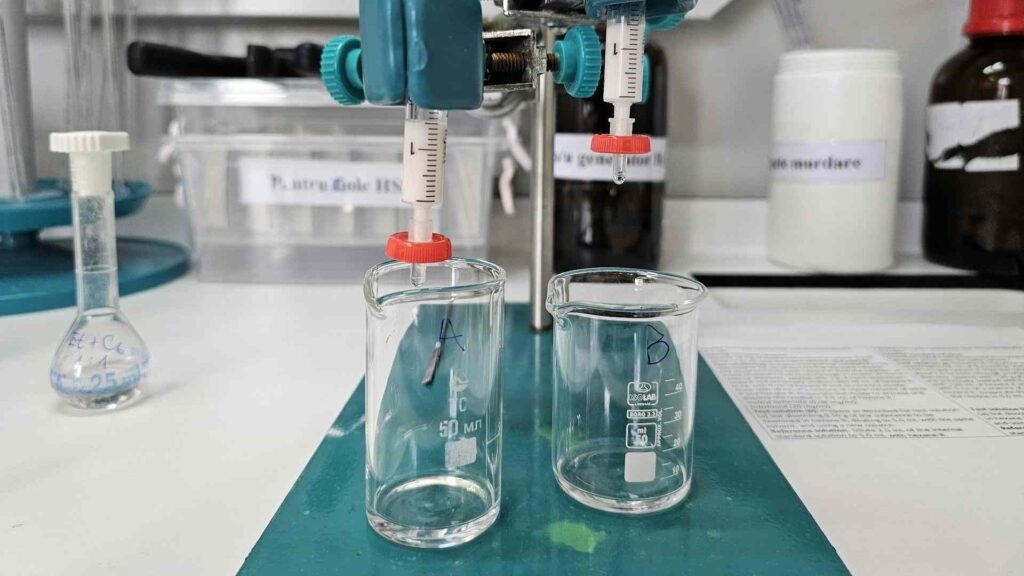
A cosmetic that still looks attractive is not necessarily stable.
Professional stability studies evaluate numerous characteristics over time:
- colour changes;
- odour development;
- viscosity;
- phase separation;
- oxidation;
- ingredient degradation;
- preservative stability;
- packaging interactions.
Adding new ingredients can accelerate oxidation or cause pigments to aggregate, oils to separate, or fragrances to degrade.
Some changes may not even be visible while still affecting product safety or consumer experience.
What Are the Regulatory Implications of Modifying Cosmetic Products?
Within the European Union, Regulation (EC) No. 1223/2009 requires every cosmetic product to be safe under normal or reasonably foreseeable conditions of use.
The safety assessment covers the exact formulation placed on the market.
Once consumers substantially modify that formulation, the product effectively falls outside the manufacturer’s original assessment.
Although individuals preparing cosmetics for personal use are generally not considered manufacturers under the Regulation, the situation changes if modified cosmetics are supplied to others, sold online, distributed through social media, or gifted commercially.
Businesses that repackage or reformulate cosmetics may assume legal responsibilities similar to those of manufacturers, including product safety, labelling compliance, Product Information File (PIF) requirements, and cosmetic notification obligations.
This distinction is often poorly understood within the DIY community.
How Can Social Media Amplify Unsafe Cosmetic Practices?
Short-form videos tend to emphasise creativity rather than scientific accuracy.
Creators often demonstrate aesthetic transformations without discussing:
- microbiological safety;
- formulation compatibility;
- ingredient restrictions;
- stability testing;
- preservative efficacy;
- packaging suitability.
Viewers may therefore underestimate the complexity of cosmetic formulation.
The popularity of a trend should never be interpreted as evidence of product safety.
How Can Cosmetic Manufacturers Address Product Customisation?
Cosmetic companies increasingly face questions from consumers about product customisation.
Rather than ignoring the phenomenon, manufacturers should proactively communicate safe practices.
Educational initiatives may include:
- explaining why products should remain in their original packaging;
- discouraging ingredient additions;
- providing guidance on proper storage conditions;
- clarifying product shelf life after opening;
- explaining the role of preservatives and stability testing.
Transparent communication helps build consumer trust while reducing the likelihood of unsafe product modifications.
What Are Safer Ways for Consumers to Customise Their Beauty Routine?
Consumers wishing to personalise their beauty routine can do so safely without reformulating cosmetics.
Safer alternatives include:
- layering compatible products rather than mixing them;
- purchasing products specifically designed with glitter or shimmer;
- selecting commercially available customisable shades;
- respecting the original packaging;
- avoiding transferring products into decorative containers.
These approaches preserve the manufacturer’s validated safety profile while still allowing creative expression.
Conclusion: Why Can Modifying Cosmetics Affect Their Safety?
DIY cosmetic trends demonstrate consumers’ enthusiasm for personalisation and creativity. However, cosmetic formulation is a highly specialised scientific discipline that extends far beyond mixing attractive ingredients together.
Changing a commercial cosmetic—even by adding a small amount of another cosmetic product—can alter its microbiological stability, preservative efficacy, chemical compatibility, packaging performance, and ultimately its safety.
From a regulatory perspective, cosmetic safety is assessed on the finished formulation exactly as it is marketed. Once that formulation is modified, the original assessment can no longer guarantee the same level of protection.
Manufacturers, regulatory professionals, and consumers all share a common objective: ensuring that cosmetics remain both enjoyable and safe throughout their intended use.
Appreciating the science behind formulation is the best way to achieve that goal while avoiding the hidden risks associated with seemingly harmless DIY beauty trends.
Key Takeaways: The Hidden Risks of DIY Cosmetics
- Altering finished cosmetics leads to an invalidated safety profile because it voids the manufacturer’s official safety assessments.
- DIY mixing with unsterile tools, containers, or fingers creates severe contamination risks by introducing dangerous bacteria and yeasts.
- Adding unformulated ingredients causes preservative failure, as preservatives in commercial products cannot adapt to protect altered or diluted DIY formulas.
- Using face highlighters or glitters in DIY lip glosses creates serious ingestion hazards by introducing ingredients unsafe for lips and mucous membranes.
- Gifting or selling modified DIY cosmetics triggers immediate legal liability, shifting all legal responsibility from the manufacturer to the creator.