Why Is K-Beauty Important in the Global Cosmetics Industry?
K-Beauty has reshaped global skincare through its focus on prevention, hydration, and innovative ingredients. It has influenced product formats, routines, and consumer expectations worldwide. However, products sold in the EU must still comply with strict safety and regulatory requirements under EU cosmetic law.
Introduction
K-Beauty: Innovation, Global Growth, and EU Regulation
Over the last decade, K-Beauty has transformed the global cosmetic industry. Korean skincare products have moved from niche imports to mainstream beauty staples across Europe, North America, and many other markets.
From sheet masks and fermented essences to viral ingredients such as snail mucin and PDRN derived from salmon DNA, Korean cosmetics have significantly influenced product innovation and consumer expectations.
The success of K-Beauty is often attributed to its unique skincare philosophy, innovative ingredients, and highly refined textures. Social media platforms have further amplified the phenomenon, turning certain Korean products into global trends almost overnight.
However, beyond the hype, K-Beauty raises important scientific and regulatory questions. What exactly defines Korean cosmetics? Are their ingredients fundamentally different from those used in Western formulations? And most importantly, how are Korean cosmetics regulated when they enter the European market?
Understanding these aspects is essential because the European Union operates under one of the most stringent cosmetic regulatory frameworks in the world, primarily established by Regulation (EC) No 1223/2009 on cosmetic products. We will explore how K-Beauty products fit within this regulatory framework.
What Is K-Beauty?
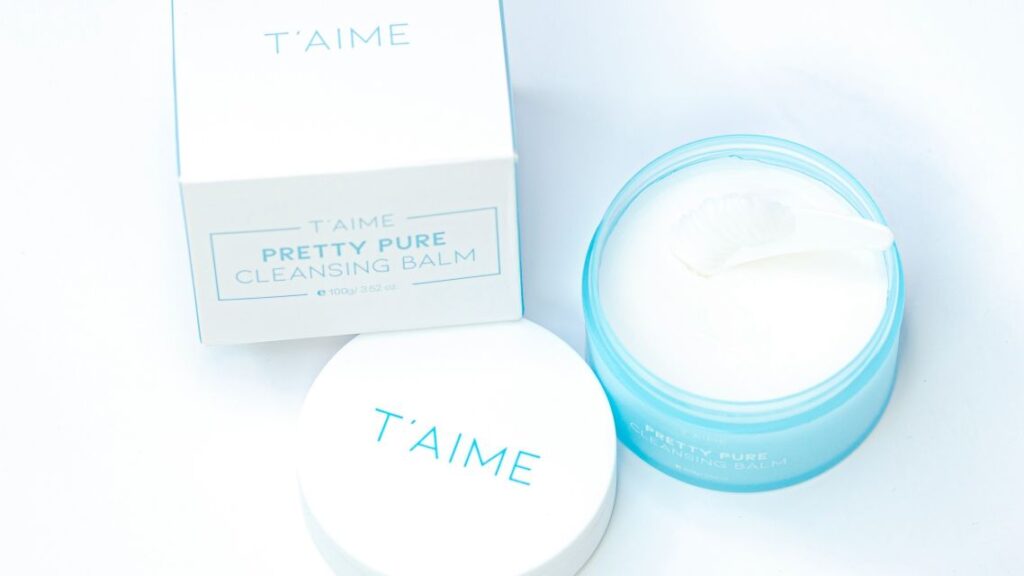
The term K-Beauty broadly refers to cosmetic products, skincare routines, and formulation approaches developed in South Korea.
The concept is closely connected to the global expansion of Korean culture, commonly known as the “Korean Wave” (Hallyu), which includes music, television series, fashion, and beauty trends.
Unlike many Western skincare philosophies which often focus on correcting visible skin concerns such as wrinkles or acne, Korean skincare traditionally emphasises prevention and long-term skin maintenance.
The idea is that healthy skin results from consistent daily care rather than occasional intensive treatments.
This philosophy is reflected in the structure of Korean skincare routines, which frequently involve multiple steps designed to hydrate, nourish, and protect the skin barrier.
Rather than relying on high concentrations of active ingredients, many Korean formulations use lightweight products applied sequentially to gradually deliver beneficial compounds.
As a result, categories such as essences, ampoules, and sheet masks have become iconic elements of Korean skincare culture.
Why K-Beauty Has Become So Popular Worldwide
The global rise of Korean cosmetics can be explained by a combination of industrial, cultural, and technological factors.
South Korea has developed a highly competitive cosmetics industry characterised by rapid product development cycles and strong investments in research and development.
Korean companies frequently introduce new formulations, textures, and ingredient combinations long before similar products appear in Western markets.
For example, innovations such as cushion foundations, sleeping masks, and fermented skincare products were first popularised in Korea before becoming widely adopted by international brands.
Social media has also played a critical role in the diffusion of K-Beauty trends. Platforms such as TikTok, YouTube, and Instagram allow consumers to quickly discover and share skincare routines, product reviews, and viral beauty techniques.
Concepts such as “glass skin,” which describes an intensely hydrated and luminous complexion, have become central elements of Korean beauty marketing.
This combination of rapid innovation and strong digital visibility has helped position Korean cosmetics among the most influential forces in the global beauty industry.
Signature Ingredients in K-Beauty
One of the most distinctive aspects of Korean cosmetics is the use of ingredients that are relatively uncommon in Western skincare marketing.
These ingredients often combine traditional Asian botanical knowledge with modern cosmetic biotechnology.
Snail mucin
Perhaps the most famous K-Beauty ingredient is snail secretion filtrate, commonly referred to as snail mucin. This ingredient is obtained from the mucus secreted by snails and contains a complex mixture of glycoproteins, hyaluronic acid, glycolic acid, and allantoin.
These compounds are believed to support hydration, promote skin repair, and improve overall skin texture.
Although the concept may initially appear unusual, snail mucin has become widely accepted in the cosmetic industry and is now used in numerous moisturisers, serums, and repair creams.
From a regulatory standpoint, snail-derived ingredients are not prohibited in the European Union. However, like any cosmetic ingredient, they must undergo a safety assessment before being used in products marketed within the EU.
Centella asiatica
Another key ingredient widely used in Korean skincare is Centella asiatica, often marketed under the name “Cica.” This botanical extract has a long history in traditional Asian medicine and is valued for its anti-inflammatory and soothing properties.
In cosmetic formulations, Centella extracts are frequently incorporated into products designed to support skin barrier recovery and reduce irritation, making them particularly popular among consumers with sensitive skin.
Fermented ingredients
Fermentation is another hallmark of Korean cosmetic innovation. The fermentation process breaks down complex molecules into smaller compounds that may be more easily absorbed by the skin.
Common fermented cosmetic ingredients include Galactomyces ferment filtrate, Bifida ferment lysate, and fermented rice extracts. These ingredients are often incorporated into essences and toners designed to enhance hydration and improve skin radiance.
PDRN and DNA-derived ingredients
More recently, Korean cosmetics have introduced ingredients derived from polydeoxyribonucleotide (PDRN), which is typically extracted from salmon DNA.
PDRN has been used in regenerative medicine for its potential ability to stimulate tissue repair and improve wound healing. In cosmetic products, it is marketed for its potential anti-ageing and skin regeneration properties.
However, when such ingredients are used in cosmetic formulations destined for the European market, their safety must be evaluated within the framework of EU cosmetic legislation.
Korean Cosmetic Regulation
Cosmetics in South Korea are regulated by the Ministry of Food and Drug Safety (MFDS) under the Korean Cosmetic Act.
The Korean regulatory framework distinguishes between standard cosmetics and functional cosmetics, a category that includes products claiming whitening, anti-wrinkle, or UV protection effects. Functional cosmetics typically require additional regulatory review before they can be placed on the market.
Manufacturers must comply with Korean Good Manufacturing Practices and provide documentation supporting the safety and efficacy of their products. Labels must include detailed ingredient lists and regulatory registration information.
Although the Korean system is robust, its structure differs from the regulatory model used in the European Union.
Importing Korean Cosmetics into the European Union
When Korean cosmetic products are sold in Europe, they must comply fully with Regulation (EC) No 1223/2009, regardless of their country of origin.
Before a cosmetic product can be legally placed on the EU market, several regulatory requirements must be fulfilled.
A Responsible Person (RP) established within the European Union must be designated. The RP is legally responsible for ensuring that the product complies with all applicable regulatory obligations.
In addition, every cosmetic product must undergo a safety assessment carried out by a qualified toxicologist or pharmacist. The results are documented in the Cosmetic Product Safety Report (CPSR).
A Product Information File (PIF) must also be prepared and kept available for inspection by competent authorities.
The PIF contains extensive documentation including the formulation, toxicological profiles of ingredients, safety evaluation, manufacturing method, and proof supporting product claims.
Finally, the product must be notified through the Cosmetic Products Notification Portal (CPNP) before being placed on the EU market.
SCCS Opinions and EU Ingredient Restrictions
The European Commission relies on scientific assessments issued by the Scientific Committee on Consumer Safety (SCCS) when evaluating cosmetic ingredients.
Based on these scientific opinions, substances may be regulated through several annexes of Regulation 1223/2009:
- Annex II lists substances prohibited in cosmetic products
- Annex III contains substances subject to restrictions
- Annex V lists authorised preservatives
- Annex VI lists authorised UV filters
If a cosmetic ingredient used in a Korean product does not comply with these annexes, the formulation may require modification before it can be legally marketed in Europe.
Are Korean Cosmetics Better Than Western Products?
The perception that Korean cosmetics are inherently safer or more effective than Western products is largely driven by marketing and social media trends.
In reality, once a cosmetic product is placed on the European market, it must comply with the same safety standards regardless of its country of origin.
Korean cosmetics sold in Europe therefore undergo the same safety assessments as products manufactured within the EU.
The main differences between Korean and Western cosmetics lie in formulation philosophy, ingredient storytelling, and consumer experience, rather than in fundamental safety standards.
Conclusion: K-Beauty and EU Regulatory Compliance
K-Beauty has played a major role in reshaping the global cosmetic industry. Its emphasis on hydration, gentle skincare routines, and innovative ingredients has influenced both consumers and cosmetic manufacturers worldwide.
However, when Korean cosmetic products are marketed in Europe, they must comply with the strict requirements established by Regulation (EC) No 1223/2009, including safety assessments, ingredient restrictions, and regulatory oversight.
Ultimately, K-Beauty should be viewed not as a superior alternative to Western cosmetics but as a complementary approach that has enriched the diversity and innovation of the global skincare market.
Do you have any questions or need support regarding K-beauty compliance?
Contact us, and we will be happy to help you ensure full compliance with both Korean and EU market requirements.
Key Takeaways: K-Beauty and EU Cosmetic Regulation
- K-Beauty has significantly influenced the global cosmetic industry, particularly in product innovation and consumer expectations.
- Korean skincare is characterised by a focus on prevention, hydration, and innovative ingredients.
- Social media has played a major role in accelerating the global popularity of K-Beauty trends.
- When placed on the EU market, Korean cosmetic products must comply with Regulation (EC) No 1223/2009.
- EU compliance includes safety assessment, documentation, and regulatory oversight regardless of product origin.
FAQs on K-Beauty and EU Cosmetic Regulation
What is K-Beauty?
K-Beauty refers to Korean skincare and cosmetic products and practices that focus on prevention, hydration, and innovative ingredient use.
Why is K-Beauty popular worldwide?
K-Beauty has become popular due to its focus on skincare routines, innovative ingredients, and strong influence from social media trends.
What are common ingredients used in K-Beauty?
Common ingredients include snail mucin, Centella asiatica, fermented extracts, and PDRN derived from salmon DNA.
Are K-Beauty products regulated in the EU?
Yes, when placed on the EU market, K-Beauty products must comply with Regulation (EC) No 1223/2009.