

Will QR Codes Change Cosmetic Labelling in Europe?
QR codes cannot currently replace mandatory information but can provide additional, updatable content. They help make labels more accessible, sustainable, and dynamic, especially for small products.
Spain’s Draft Royal Decree shows a possible future where QR codes and tactile marks improve inclusivity.
In recent years, the QR code has evolved from a simple marketing tool into a genuine regulatory communication channel.
It was previously used primarily to direct consumers to promotional content, but it is now emerging as a way to provide mandatory information that no longer fits on increasingly small cosmetic product labels.
Some national legislative initiatives — particularly the recent Spanish Draft Royal Decree on accessibility — clearly suggest that the QR code could become a more common feature on cosmetic packaging.
But what are the current limitations, what opportunities exist, and what might happen in the near future?
Why Put a QR Code on the Label of a Cosmetic Product?
The main reason a brand chooses to use a QR code is the limited physical space on the packaging. Cosmetic Regulation 1223/2009 requires a wide range of mandatory information — from the name and address of the responsible person to the product’s function, ingredients, and warnings — all of which must appear on the label clearly and indelibly.
For small products such as mascara, lip balms, or single-dose items, meeting these requirements can be almost impossible without creative solutions like folded leaflets or multi-page labels.
A QR code helps to lighten the visual impact of the packaging while directing the consumer to additional content that cannot fit on the label, such as detailed instructions, ingredient insights, demonstration videos, or information on sustainability and recycling.
The mandatory information remains printed on the product, but the QR code allows brands to provide more extensive and, importantly, updatable information, which is especially valuable in a constantly evolving sector.
European Cosmetic Regulation Today: The Use of QR Codes
The EU Cosmetic Regulation does not prohibit the use of QR codes, but it limits their use as a substitute for mandatory information. Under current rules, the essential elements of the label must be physically present on the packaging, allowing the consumer to access them immediately without relying on digital tools.
This means that ingredients, warnings, nominal quantity, product function, batch number, and the address of the responsible person must appear directly on the pack, while other content can be provided via a QR code.
Nonetheless, there is a European regulatory trend towards digital information, as seen in developments such as the future Digital Product Passport and initiatives aimed at simplifying packaging.
However, for the cosmetics sector, there is still no formal proposal permitting QR codes to replace mandatory label elements. European authorities continue to take a cautious approach, balancing technological innovation with consumer protection.
Will QR Codes Be Allowed to Replace Mandatory Information in the Future?
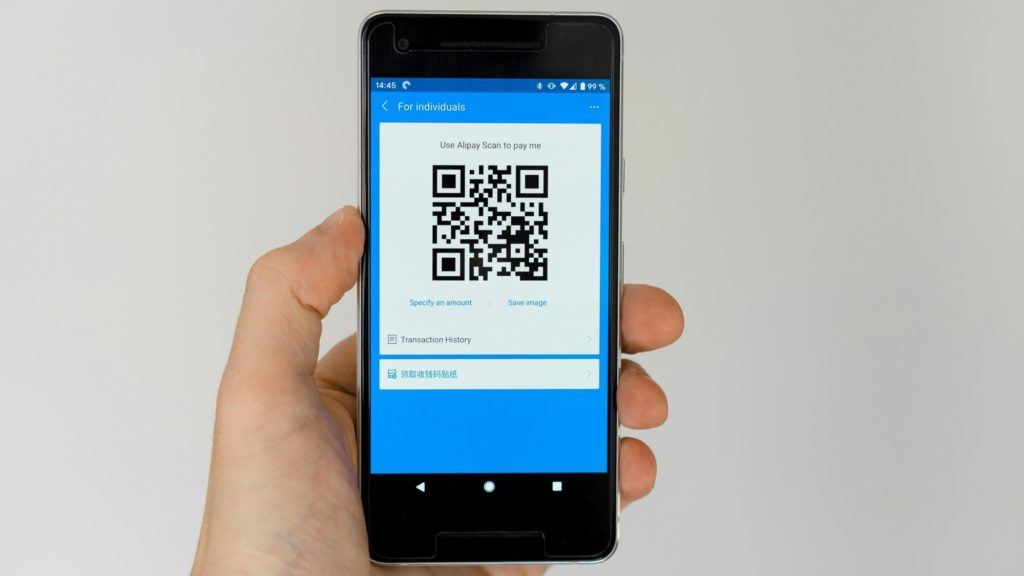
The question many companies are asking is whether QR codes will one day become an integral part of European cosmetics legislation.
The digitisation of consumer information is already underway, with several sectors experimenting with hybrid approaches that combine traditional labelling and online content.
The EU acknowledges that mobile devices are now widespread and accessible, but it also emphasises that labels must remain immediately understandable, even for those without a smartphone.
It is plausible that, in the future, the European Union will recognise QR codes as an official complement to the label, particularly to reduce the environmental impact of packaging by decreasing the amount of printed material.
Such a regulatory development appears possible but would require a harmonised framework ensuring inclusiveness, transparency, and security of digital information.
Meanwhile, countries such as Spain are already paving the way for a more structured, rather than merely optional, use.
Spain’s Draft Royal Decree on Accessibility: A Possible Turning Point

One of the most innovative developments comes from Spain, which has notified a draft Royal Decree through TRIS, the system used by all Member States to report draft technical regulations for industrially manufactured and agricultural products.
The decree focuses on the accessibility of product labels, including cosmetics, and proposes the inclusion of both a QR code and a tactile mark integrated into the packaging to improve access to information for blind or partially sighted people.
The aim is to create an accessible and universal system: the tactile mark allows blind users to quickly locate the QR code, while the QR code provides a digital version of the label that can be read by a screen reader.
This approach overcomes the limitations of Braille, which requires space, can be fragile, and cannot always contain all mandatory information. The QR code, by contrast, enables blind users to access the full label digitally, enhancing autonomy and inclusivity.
The Spanish proposal has generated significant interest across Europe, as it could serve as a model for future harmonisation. If approved, it would be the first regulatory obligation to combine tactile and digital technology on a cosmetic product.
The QR Code as a European Standard? Potential Scenarios
Introducing or expanding the use of QR codes requires brands to revise their packaging workflows. Businesses must ensure that the web page linked to the QR code is always active, up-to-date, secure, and consistent with the physical label.
The digital content should be accessible, compatible with international standards for screen readers, and available in all the languages required by the target markets.
From a design perspective, the QR code must be integrated into the packaging in a harmonious way, avoiding distortions or reductions that could affect readability.
Its positioning should also consider the requirements of the Spanish market, should the Royal Decree come into force, particularly regarding the mandatory tactile mark.
Finally, it is important to monitor TRIS notifications and national regulatory developments continuously, as QR labelling could become a requirement in more European countries.
Conclusions: An Opportunity to Rethink the Labelling of Cosmetics
While the QR code cannot yet replace mandatory information, it is becoming a strategic tool to enrich the consumer experience and make labels more sustainable, inclusive, and dynamic.
The growing institutional focus on accessibility — as demonstrated by the case of Spain — suggests that QR codes will become an increasingly central element.
Looking ahead, the technology could evolve to form part of the Digital Product Passport for the cosmetics sector, integrating data on ingredient origins, sustainability, packaging circularity, and safety.
Although it is not yet clear when or how this system will be implemented, the QR code already serves as a gateway to a more modern and flexible information model.
Do you have any questions about how the regulatory landscape may change in the coming years? Are you concerned about new developments and unsure how to stay systematically updated?
Contact us, and we will be happy to help ensure your products remain compliant across all relevant markets.
Key Takeaways: QR Codes and the Future of Cosmetic Labelling
- QR codes on cosmetic labels cannot yet replace mandatory information but can provide additional, updatable content.
- Limited packaging space drives the adoption of QR codes, especially for small products.
- EU Cosmetic Regulation requires essential label elements to remain physically present.
- Spain’s Draft Royal Decree introduces QR codes and tactile marks to improve accessibility for blind or partially sighted users.
- Implementing QR codes requires secure, up-to-date, and accessible digital content, integrated harmoniously into packaging.
- QR codes could become part of the Digital Product Passport, offering data on ingredients, sustainability, and safety.
- Monitoring TRIS notifications and national regulatory developments is essential to stay compliant and avoid additional costs.