Why Does Heavy Metals Testing Matter for Cosmetics?
Heavy metals can occur as impurities in cosmetic raw materials, particularly minerals, pigments, clays and colourants, making appropriate testing an important part of product safety and quality control.
Although there is no single EU-wide limit for heavy metals in cosmetics, purity criteria apply to certain colourants, while supplier qualification and analytical testing help minimise contamination risks.
How Are Heavy Metals in Cosmetics Regulated Under EU Law?
Heavy metals testing is one of the most discussed analytical controls in the cosmetic industry. Unlike intentionally used cosmetic ingredients, impurities are not regulated through a dedicated “heavy metals limit” applicable to all cosmetic products under Regulation (EC) No 1223/2009.
Instead, manufacturers must ensure that products placed on the EU market are safe, taking into account the presence of impurities as part of the safety assessment. This requires a careful evaluation of raw material quality, supplier documentation and, where relevant, analytical verification.
When Is Heavy Metals Testing Requested?
Heavy metals analysis is particularly relevant for ingredients with a higher contamination risk, such as mineral powders, pigments, clays, lakes and colourants. Typical elements monitored include lead (Pb), cadmium (Cd), mercury (Hg), arsenic (As), chromium (Cr) and nickel (Ni).
Testing is commonly requested:
- during the qualification of new suppliers;
- for raw materials with a natural or mineral origin;
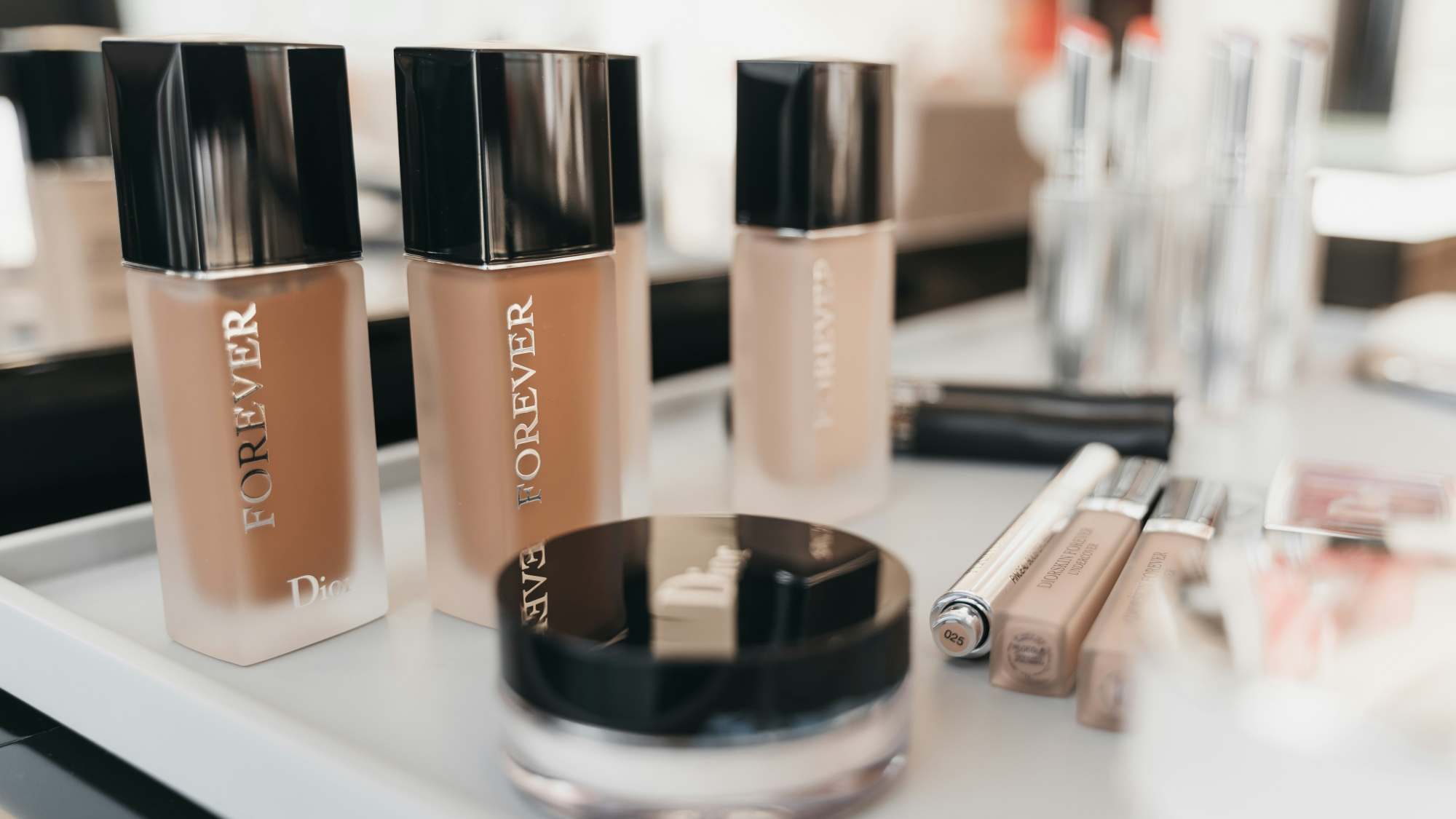
- for colour cosmetics (make-up, lip products, eye products);
- when required by customer specifications or international market requirements.
What Purity Criteria Apply to Colourants in Cosmetics?
Colourants used in European cosmetics must comply with the requirements of Annex IV of Regulation (EC) No 1223/2009. Some colourants include specific purity criteria that define maximum levels of certain impurities.
These requirements are particularly important because pigments can naturally contain trace amounts of metals due to their chemical origin and production process.
In addition, Regulation (EU) No 231/2012, which establishes purity criteria for food additives, is often referenced by industry for certain colourants that may also have food-grade specifications. These criteria define acceptable impurity profiles and provide useful quality benchmarks.
Why Is Cadmium Exposure a Concern in Cosmetics?
Recent assessments from ANSES have highlighted cadmium as a substance requiring attention due to its persistence and toxicological profile. The agency confirms that the main source of human exposure is diet, with cadmium entering the food chain through contaminated soils and agricultural products.
Although cosmetics represent only a minor potential contribution compared with dietary exposure, the presence of cadmium and other heavy metals in cosmetic products remains an important quality and safety consideration, particularly for products applied repeatedly or on sensitive areas.
What Does Heavy Metals Testing Mean for Cosmetic Safety?
For cosmetic companies, heavy metals testing is not simply a regulatory formality, it is a proactive tool to ensure raw material purity, consumer safety and robust product quality management.
A strong supplier qualification system, supported by appropriate analytical controls, remains the most effective approach to minimise the risk of unwanted contaminants.
Key Takeaways on Heavy Metals Testing in Cosmetics
- Heavy metals can occur as impurities in cosmetic raw materials due to manufacturing processes or environmental contamination.
- EU cosmetics legislation does not establish a single heavy metals limit for all cosmetic products. Manufacturers must consider impurities as part of the safety assessment.
- Annex IV of Regulation (EC) No 1223/2009 sets purity criteria for certain colourants, while Regulation (EU) No 231/2012 provides additional quality benchmarks.
- Cadmium warrants attention because of its persistence and toxicological profile, although dietary intake remains the main source of human exposure.
- Heavy metals testing and supplier qualification help minimise contamination risks and support cosmetic product safety and quality.