
What is the EU approach to microplastics and wet wipes regulation?
The EU is tightening microplastics controls under REACH with phased restrictions. Member States are adding stricter national measures like bans and labelling rules. Overall, the approach is shifting from risk management to prevention, pushing industry reformulation.
The growing concern over microplastic pollution has progressively reshaped the regulatory landscape across Europe, pushing both EU institutions and individual Member States to take action.
While the European Union has been working towards a harmonised framework—particularly through the REACH restriction on intentionally added microplastics—several countries have already introduced targeted national measures addressing specific environmental issues.
Among the most relevant examples are the initiatives adopted by Belgium, Spain, Scotland, and Denmark. These cases highlight how national authorities are stepping in to regulate areas where EU legislation is either still evolving or not yet sufficiently detailed.
Wet Wipes and the “Do Not Flush” Obligation: The Belgian and Spanish Approach
Wet wipes have become a focal point in environmental policy due to their widespread misuse and their impact on wastewater infrastructure.
Although often perceived by consumers as similar to toilet paper, many wipes are composed of synthetic polymer-based fibers such as polyester or polypropylene, which do not readily degrade in aquatic environments. As a result, they contribute significantly to sewer blockages and to the accumulation of plastic debris in marine ecosystems.
In response to this issue, Belgium and Spain have adopted national decrees requiring clear labelling of non-flushable wipes.
These measures build upon the broader framework established by the Directive (EU) 2019/904 on single-use plastics, as well as Commission Implementing Regulation (EU) 2020/2151, which introduced harmonised marking requirements for certain plastic-containing products.
However, the Belgian and Spanish regulations go a step further by linking labelling obligations to technical criteria defining whether a wipe can be considered “flushable.”
This determination is not merely declarative but must be supported by standardized testing, often based on industry protocols such as the EDANA/INDA guidelines. These include assessments of disintegration, dispersion, and behaviour within wastewater systems.
From a regulatory standpoint, this creates a more stringent compliance framework. Manufacturers must not only ensure that their labelling is accurate and visible but also substantiate any flushability claims through documented testing.
In practice, this has led to a reassessment of both materials and marketing strategies, particularly for products that were previously marketed in an ambiguous manner.
Scotland’s Plastic Wipe Ban: A Preventive Regulatory Model
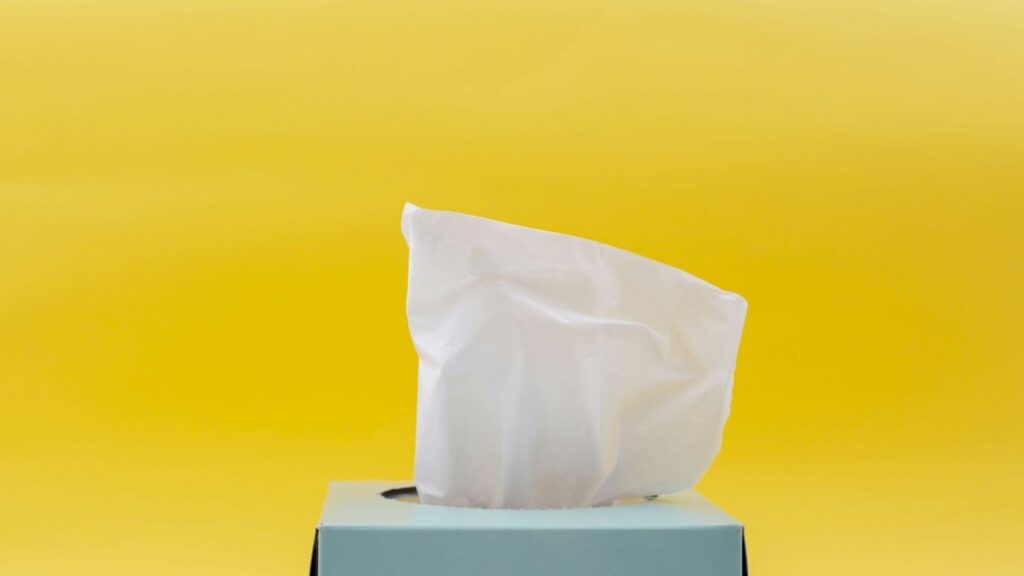
A significantly stricter approach has been adopted by Scotland, where authorities have moved beyond labelling requirements to implement a ban on the manufacture and sale of wet wipes containing plastic.
This measure reflects a preventive regulatory philosophy, aiming to eliminate the environmental risk at its source rather than mitigating its consequences through consumer information.
The Scottish ban applies broadly to consumer wipes, including cosmetic and household products, provided they contain synthetic polymer components. Only wipes made entirely from plastic-free materials—typically cellulose-based or otherwise biodegradable fibres are permitted on the market.
This regulatory choice is grounded in mounting scientific evidence demonstrating that wet wipes are among the most prevalent items found in marine litter surveys.
Even when disposed of correctly, plastic-containing wipes may persist in the environment and gradually fragment into microplastics, contributing to long-term ecological damage.
From an industrial perspective, the Scottish model has had a transformative effect. Companies have been compelled to accelerate the transition towards alternative materials, often requiring significant investment in research and development. In this sense, the regulation acts not only as a restriction but also as a driver of innovation, pushing the market towards more sustainable solutions.
Denmark’s Microplastics Executive Order: An Early National Ban on Rinse-off Cosmetics
An equally important example of national regulatory initiative is provided by Denmark, which introduced one of the first comprehensive bans on microplastics in cosmetics through Executive Order No. 655 of 19 May 2020.
This regulation, which entered into force on 1 July 2020, specifically targets rinse-off cosmetic products, prohibiting their import and sale if they contain microplastics.
The Danish Executive Order defines microplastics as solid plastic particles smaller than 5 millimetres that are insoluble in water and resistant to biodegradation. This definition aligns closely with the one later adopted at the EU level within the REACH framework, demonstrating a degree of anticipatory regulatory alignment.
By focusing on rinse-off products such as shampoos, shower gels, and exfoliating cleansers, the Danish legislator addressed a key pathway through which microplastics enter aquatic environments.
These products, by their very nature, are washed directly into wastewater systems, making them a priority target for regulatory intervention.
The impact on industry has been immediate and substantial. Manufacturers have had to reformulate products to eliminate commonly used synthetic polymers, replacing them with natural or biodegradable alternatives.
While this transition has posed technical and economic challenges, it has also accelerated the broader shift towards sustainable formulation practices.
The EU Framework: REACH and the Path Towards Harmonisation

At the European level, the regulation of microplastics is primarily being addressed under the REACH Regulation (EC) No 1907/2006, through a restriction on intentionally added microplastics proposed by the European Chemicals Agency (ECHA) and adopted by the European Commission as Commission Regulation (EU) 2023/2055.
This restriction introduces a comprehensive framework covering a wide range of products, including cosmetics, and establishes a phased approach to the elimination of microplastics.
Certain uses have already been banned, while others are subject to transitional periods that may extend over several years, depending on the complexity of reformulation.
Importantly, the REACH restriction also introduces obligations related to labelling and reporting, thereby enhancing transparency and traceability.
Once fully implemented, this measure is expected to significantly reduce the release of microplastics into the environment and to harmonise regulatory requirements across Member States.
Fragmentation Versus Innovation: A Delicate Balance
The coexistence of national measures and EU-level regulation inevitably raises questions about regulatory fragmentation.
Differences in scope, definitions, and timelines can create complexity for companies operating across multiple markets, requiring them to adapt products and compliance strategies on a country-by-country basis.
At the same time, national initiatives play a crucial role in advancing environmental policy. By acting ahead of EU harmonisation, countries such as Belgium, Spain, Scotland, and Denmark effectively serve as regulatory laboratories, testing approaches that may later be adopted at the European level.
This dynamic creates a delicate balance between the need for a unified internal market and the benefits of regulatory experimentation. For industry stakeholders, navigating this landscape requires not only technical expertise but also strategic foresight.
Conclusions: Microplastics and Wet Wipes Regulation in Europe
The regulation of microplastics and plastic-containing wipes in Europe is entering a new phase, characterised by increasing stringency and a gradual shift from risk mitigation to risk prevention.
The measures adopted by Belgium, Spain, Scotland, and Denmark clearly illustrate this trend, highlighting both the opportunities and challenges associated with national regulatory action.
While these initiatives contribute to environmental protection and drive innovation, they also underscore the importance of achieving a coherent and harmonised European framework.
In this evolving context, companies that proactively adapt to regulatory developments—by investing in sustainable materials, robust compliance systems, and forward-looking strategies—will be best positioned to remain competitive.
Do you have any questions about this area of regulation? Contact us, and we will be happy to help you keep your products compliant with all relevant requirements and national decrees.
Key Takeaways: Microplastics and Wet Wipes Regulation in Europe
- EU regulation is tightening under REACH, with a focus on harmonising rules on intentionally added microplastics.
- Member States are introducing stricter national measures, including bans and labelling requirements.
- Belgium and Spain regulate wet wipes through labelling and flushability criteria.
- Scotland has introduced a ban on plastic-containing wet wipes.
- Denmark has banned microplastics in rinse-off cosmetics.
- The overall shift is from risk management towards prevention, driving product reformulation.
Frequently Asked Questions: Microplastics and Wet Wipes Regulations in Europe
What is the EU doing about microplastics in cosmetics and wet wipes?
The EU is regulating intentionally added microplastics under REACH with phased restrictions and harmonised requirements.
Which countries have introduced national bans on wet wipes or microplastics?
Belgium, Spain, Scotland, and Denmark have introduced stricter national measures alongside EU rules.
What are the labelling requirements for wet wipes in Europe?
There is no fully harmonised EU-wide labelling regime specifically for wet wipes, although broader single-use plastics rules apply. Labelling obligations and technical requirements are primarily set at national level.
Why is Denmark’s microplastics regulation important?
Denmark was one of the first countries to ban microplastics in rinse-off cosmetics such as shampoos and shower gels.
What is the main goal of EU microplastics regulation?
The main goal is to reduce environmental pollution by restricting intentionally added microplastics and improving harmonisation across Member States.
How are companies affected by microplastics regulation?
Companies must reformulate products, invest in alternative materials, and adapt compliance strategies across different markets.