Korean sunscreens are known for their lightweight textures and modern formulations, but they are not inherently superior to European sunscreens. Both regions enforce strict safety regulations, with differences mainly in UV filter approval systems, UVA protection labelling, and formulation priorities rather than overall safety or effectiveness.
Korean sunscreens have become one of the most viral product categories in the global skincare industry, raising the question of whether they are truly better than European ones.
This article provides a regulatory and scientific comparison of UV filters, UVA protection systems, and safety standards.
Beauty influencers frequently praise Korean formulations for their lightweight textures, elegant finish, and high protection ratings such as SPF 50+ PA++++.
This popularity has created a widespread perception that Korean sunscreens are safer, more advanced, or more effective than those available in Europe. However, these assumptions often arise from misunderstandings about regulatory systems and sunscreen testing methods.
Both the European Union and South Korea regulate sunscreens under strict frameworks designed to ensure product safety and efficacy.
The differences between Korean and European sunscreens primarily relate to regulatory approaches, labelling systems, and formulation strategies rather than fundamental differences in safety.
Sunscreen Regulation in the European Union
In the European Union, sunscreens are regulated as cosmetic products under Regulation (EC) No 1223/2009.
UV filters used in sunscreen formulations are strictly controlled through Annex VI of the Regulation, which lists all substances authorised for use as UV filters in cosmetic products.
Before a new UV filter can be approved, it must undergo extensive toxicological evaluation by the Scientific Committee on Consumer Safety (SCCS). The SCCS assesses data related to skin absorption, systemic exposure, phototoxicity, endocrine activity, and long-term safety.
Only after a favourable SCCS opinion can a UV filter be added to Annex VI and used in cosmetic formulations within the EU.
UVA Protection Requirements in Europe
European sunscreen regulations also emphasize the importance of balanced protection against both UVB and UVA radiation.
According to the European Commission Recommendation 2006/647/EC, the UVA protection factor of a sunscreen must be at least one third of its SPF value.
Products meeting this requirement are allowed to display the UVA circle symbol, which indicates compliance with European broad-spectrum protection standards.
This regulatory requirement ensures that sunscreens cannot provide high UVB protection while failing to provide adequate UVA protection.
Korean Sunscreen Regulation
In South Korea, sunscreens are regulated by the Ministry of Food and Drug Safety (MFDS) as functional cosmetics.
Before being marketed, these products must undergo regulatory evaluation and provide data supporting their claimed protective effects.
Unlike the European UVA labelling system, Korea uses the PA rating system, which is based on the Persistent Pigment Darkening (PPD) method for measuring UVA protection.
The PA scale ranges from PA+ to PA++++, with PA++++ indicating a PPD value of at least 16.
Although this system provides useful information, it does not specify an exact UVA protection value. Two sunscreens labelled PA++++ may therefore provide significantly different levels of UVA protection.
Differences in UV Filters
One reason Korean sunscreens have gained popularity is their use of modern photostable UV filters such as:
- Bis-ethylhexyloxyphenol methoxyphenyl triazine
- Diethylamino hydroxybenzoyl hexyl benzoate
- Ethylhexyl triazone
However, many of these filters are also approved in the European Union and widely used in European sunscreen formulations.
The perception that Korean sunscreens rely on fundamentally superior UV filters is therefore somewhat misleading.
Texture and Consumer Experience
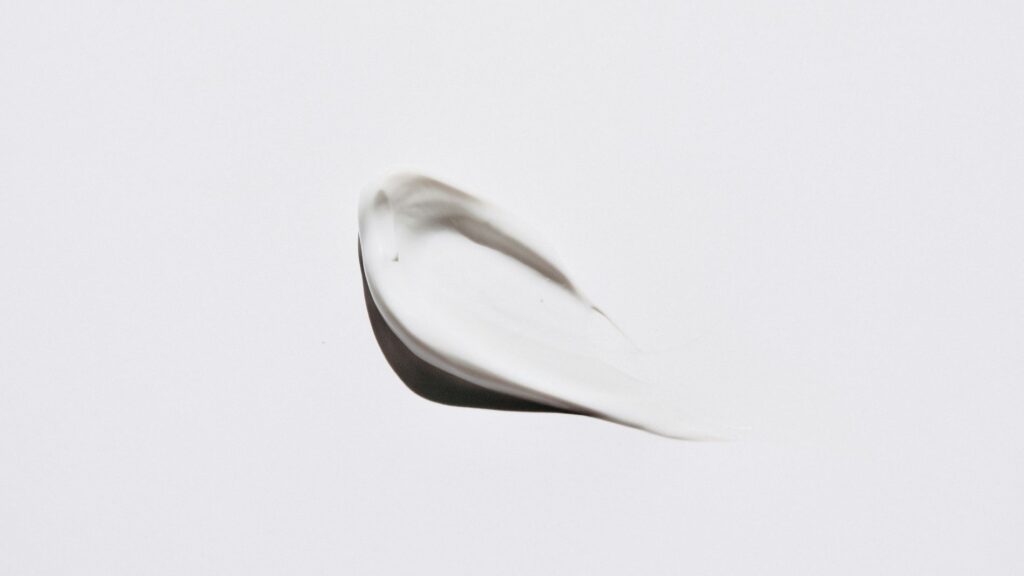
One of the main reasons consumers prefer Korean sunscreens is their cosmetic elegance.
Korean formulators often focus on creating lightweight, non-greasy textures that absorb quickly into the skin and work well under makeup.
European sunscreens, by contrast, often prioritise water resistance and durability, particularly for outdoor activities such as swimming or sports.
These different formulation priorities partly explain why Korean sunscreens often feel lighter than many Western formulations.
Safety and Regulatory Oversight
From a regulatory perspective, both the EU and South Korea maintain strict oversight of sunscreen safety.
In the EU, sunscreens must undergo the same safety assessment process as other cosmetic products, including the preparation of a Cosmetic Product Safety Report, compliance with ingredient restrictions, and notification through the Cosmetic Products Notification Portal.
Products imported from Korea must also comply with these requirements and be placed on the market by an EU-based Responsible Person.
Conclusion: Korean vs European Sunscreens
Korean sunscreens have gained global popularity thanks to their elegant formulations and strong presence on social media. However, the widespread belief that they are inherently better or safer than European sunscreens is largely a misconception.
Both regions operate under rigorous regulatory frameworks designed to ensure consumer safety and product efficacy.
The differences between Korean and European sunscreens mainly concern regulatory approaches, labelling systems, and formulation philosophies rather than fundamental differences in safety standards.
Ultimately, the effectiveness of sunscreen depends less on its country of origin and more on proper use, adequate SPF levels, and consistent daily application.
If you have any questions about this topic, please get in touch. We will be happy to help ensure your products remain compliant with both the Korean and EU markets.
Key takeaways: Korean vs European sunscreens
- Korean sunscreens are popular for their lightweight textures and cosmetic elegance
- Both South Korea and the EU regulate sunscreens under strict safety frameworks
- Differences mainly relate to UV filter approval systems and regulatory approaches
- The EU requires UVA protection to be at least one-third of SPF (broad-spectrum standard)
- Korea uses the PA system (PA+ to PA++++), based on the PPD method
- Many modern UV filters are used in both EU and Korean formulations
- Differences in formulation focus (cosmetic feel vs durability/water resistance)
- Sunscreen effectiveness depends on correct use, SPF level, and consistent application rather than country of origin
Frequently Asked Questions: Korean vs European Sunscreens
Are Korean sunscreens better than European sunscreens?
No. Both are regulated under strict safety frameworks, and differences relate mainly to regulatory systems, UV filters, and formulation approaches.
What is the difference between EU and Korean sunscreen regulation?
The EU regulates sunscreens as cosmetics under Regulation (EC) No 1223/2009, while Korea regulates them as functional cosmetics under the MFDS.
How does UV protection differ between Europe and Korea?
The EU requires UVA protection to be at least one-third of SPF, while Korea uses the PA system based on the PPD method.
What does pa++++ mean in Korean sunscreens?
PA++++ indicates a PPD value of at least 16, representing high UVA protection under the Korean rating system.
Do Korean sunscreens use better UV filters?
Not necessarily. Many modern UV filters used in Korean sunscreens are also approved and widely used in the European Union.