

How Have UK and EU Cosmetic Regulations Diverged After Brexit?
Since Brexit, the UK and EU have introduced separate cosmetic regulations, with differences in product registration, ingredient restrictions, and safety assessments.
Businesses selling in both markets must now comply with both UK and EU rules, including separate notification systems and evolving ingredient limits.
An additional complexity arises from the fact that Northern Ireland continues to follow the European regulatory framework for cosmetics due to the Northern Ireland Protocol. This results in a hybrid system for companies operating in Northern Ireland, requiring compliance with both EU and UK cosmetic regulations.
This article discusses how cosmetic regulations have diverged between the UK and EU following Brexit, including differences in product registration, ingredient restrictions, and scientific safety assessments, and what these changes mean for compliance across both markets.
Cosmetic Regulations in the European Union
European cosmetic legislation is regulated by Regulation (EC) No. 1223/2009, which establishes standards for the safety, quality and marketing of cosmetic products in all member countries.
Key features of this regulation include:
- Product notification: All cosmetic products must be notified to the Cosmetic Products Notification Portal (CPNP) before they are marketed within the EU. This notification system allows the authorities to monitor the products on the market.
- Safety assessment: Each product must be evaluated by a safety expert to ensure its safe use by consumers. In addition, concentration limits for certain ingredients must be observed.
- Traceability: Each product must be properly labeled, indicating the ingredients, product type, and other required information.
- Regulation of ingredients: The EU has a list of prohibited and regulated ingredients, periodically updated by the Scientific Committee on Consumer Safety (SCCS) which assesses the safety of ingredients and sets concentration limits.
What Are UK Cosmetics Regulations Post-Brexit?
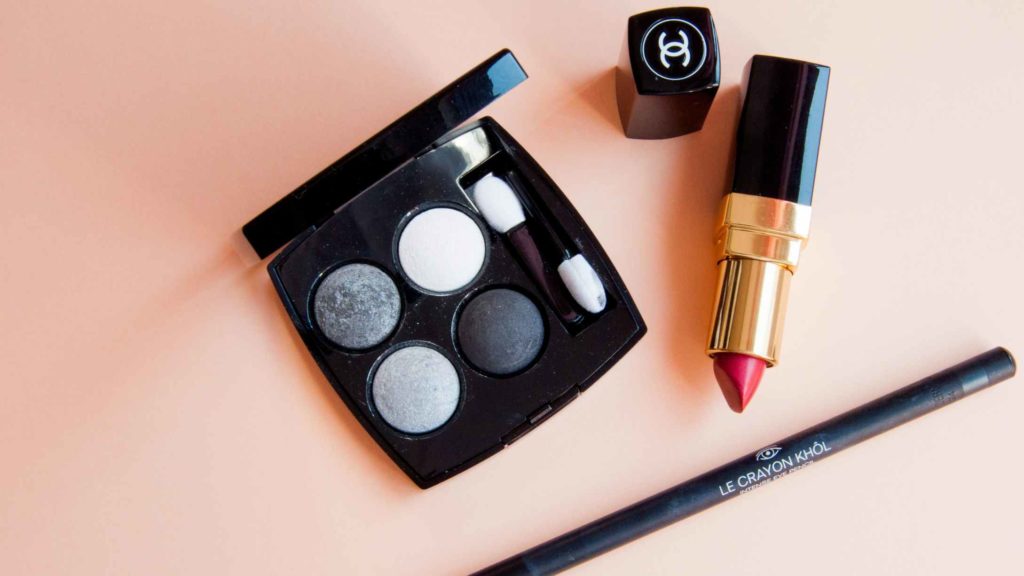
With Brexit, the United Kingdom adopted the Cosmetic Products Regulation (UK), which incorporates most of the provisions of the European regulation, but with some significant changes.
The main differences are:
- Product registration: The UK has created its own registration system, the UK Cosmetics Portal (SCPN). Cosmetic products sold in England, Scotland and Wales must be notified on this portal, which replaces the EU’s CPNP notification system.
- Northern Ireland: Due to the aforementioned Northern Ireland Protocol, cosmetic products sold in Northern Ireland still have to be notified to the EU CPNP system, following European regulations, while for Great Britain (England, Scotland and Wales), British regulations apply. This creates a complex situation for companies trading in both markets, as they must comply with two separate regulations.
- Safety assessment: The UK continues to use a similar safety assessment to the EU, but safety experts now follow guidelines set by the Scientific Advisory Group on Cosmetics and Self-Care Products (SAG-CS), a UK national scientific committee.
Differences in Permissible Concentrations of Ingredients
There are some differences that are emerging about the concentration and/or presence of certain ingredients within cosmetic formulations between EU and UK cosmetic regulations.
BHT (Butylated Hydroxytoluene)
BHT is an antioxidant that is widely used in cosmetics to prevent spoilage of ingredients and extend the shelf life of products.
Its maximum concentration is regulated under both EU cosmetic legislation and UK cosmetics regulations, but there are some important differences between the two regulations.
European Union (EU)
The EU Cosmetics Regulation sets specific limitations for the use of BHT in different types of cosmetics.
The maximum permitted concentrations are:
- 0.1% in toothpastes: BHT is allowed at a maximum concentration of 0.1% in toothpastes, which are everyday products and therefore more sensitive to oral health safety.
- 0.001% in mouthwashes: In mouthwashes, which come into direct contact with the oral mucous membranes, the concentration is much lower (0.001%), to reduce the risk of irritation or side effects.
- 0.8% in other leave-on/rinse-off products: In leave-on products (which remain on the skin, such as creams) or rinse-off products (which are rinsed off, such as shower gels), the concentration of BHT is higher and reaches up to 0.8%. This concentration is considered safe for daily use, given the nature of the products.
United Kingdom (UK)
The restrictions for the use of BHT in the UK are very similar to those in the EU, but with an additional limitation specific to leave-on oral care products:
- 0.001% in leave-on oral care products (e.g., oral mucosal gel): This limitation was added by the SAG-CS as leave-on oral care products are more sensitive and need stricter control to avoid any risk of ingestion or irritation of the oral mucous membranes.
- Other products: For the rest of the products, UK legislation follows essentially the same limitations as in the European Union, i.e. 0.1% in toothpastes, 0.001% in mouthwashes and 0.8% in other leave-on/rinse-off products.
Important note: These restrictions apply to England, Wales and Scotland, while in Northern Ireland the regulations continue to follow those of the European Union due to the provisions of the Northern Ireland Protocol, which keeps Northern Ireland within the EU regulatory system regarding cosmetics.
Kojic Acid
Kojic Acid is an ingredient used primarily for its lightening properties, and is used in cosmetic products to treat dark spots and improve skin tone. The regulation of the maximum concentration of kojic acid varies between the European Union and the United Kingdom.
European Union (EU)
At present, Kojic Acid is not regulated with a specific maximum concentration in the European Union. However, the use of this ingredient must be scientifically justified on the basis of safety, and assessed by a qualified safety assessor, as required by Regulation (EC) No 1223/2009.
The absence of a precise limit reflects an assessment that considers the efficacy of the ingredient and its safety in relation to the type of product and intended use. However, the European Commission may decide to regulate the maximum concentration of kojic acid if safety concerns arise.
United Kingdom (UK)
In contrast to the European Union, the United Kingdom cosmetic regulations have established a maximum concentration of 1% for the use of kojic acid in certain types of products:
- Up to 1% allowed in face and hand products: The UK government, after a scientific assessment by the SAG-CS, has decided to limit the use of kojic acid to a maximum concentration of 1% in products intended for the face and hands. The decision was made considering the effectiveness of the ingredient and the potential risks of irritation or sensitisation, based on available studies.
As we can see, the United Kingdom’s approach is more restrictive than in the European Union, where a concentration limit for kojic acid has not yet been established.
The SAG-CS has reviewed the available scientific data and decided to set this restriction to ensure consumer safety, while the EU has not yet taken an official position on this ingredient.
Methyl Salicylate
Methyl salicylate is a compound used in cosmetics for its soothing and aromatic properties, but it is subject to regulatory restrictions to ensure consumer safety.
European Union (EU)
In the EU, methyl salicylate is regulated by the Cosmetic Regulation (EC) 1223/2009, and is included in Annex III, which establishes the following restrictions:
- Oral cavity products: Up to 0.1% allowed in products intended for the oral cavity, such as mouthwashes and toothpastes.
- Rinse-off products: The maximum concentration is 0.06% in products such as shampoos and detergents.
- Leave-on products: In cosmetics that remain on the skin (creams, lotions), the concentration is limited to 0.035%.
- Products for children under 6 years of age (excluding toothpaste): Prohibited in products intended for children in this age group, for safety reasons.
United Kingdom (UK)
The latest update under UK cosmetic regulations concerns the entry into force of Statutory Instrument 2025 No. 413 – “The Cosmetic Products (Restriction of Chemical Substances) Regulations 2025”.
This regulation introduces more detailed limitations on certain substances. Among the main changes are:
Products for the oral cavity:
- Toothpastes: Up to 2.5% allowed, a significantly higher concentration than in the EU.
- Mouthwashes: Limited to 0.1% for children aged 6-10 years and 0.4% for children over 10 and adults.
- Mouth spray: Up to 0.65% allowed.
Rinse-off products:
- Hand soaps: 0.02% for children from 0.5 to 1 year old, 0.6% for older children.
- Other rinse-off products: 0.02% – 0.06%, with differences depending on age.
Leave-on products:
- Lipsticks and lip balms: Limited to 0.02% for children under 1 year old and 0.03% for others.
- Facial make-up: Maximum 0.05%.
- Eye make-up and make-up removers: Only up to 0.002% allowed.
- Sprays and aerosols: Stricter restrictions than in the EU:
- Spray/aerosol deodorants: Maximum 0.003%.
- Hair spray: Maximum 0.009%.
- Spray body lotions: Allowed up to 0.04%.
An important difference is that products already placed on the market in the UK before 30 September 2025 will be able to be sold until 31 March 2026, to allow companies to comply with the new legislation.
Comparison of Scientific Committees: SCCS (EU) vs SAG-CS (UK)

Scientific Committee on Consumer Safety (SCCS) – European Union
The SCCS is the European Commission’s scientific committee responsible for the safety assessment of cosmetic products. Whenever a new ingredient or product is placed on the European market, the SCCS provides an assessment based on scientific studies and available data.
The SCCS sets concentration limits for ingredients and advises on new chemicals, so as to ensure that cosmetics placed on the European market are safe for consumers.
The main functions of the SCCS include:
- Safety evaluation of cosmetic ingredients.
- Regulatory recommendations and concentration limits for ingredients.
- Consultation on new or modified ingredients.
Scientific Advisory Group on Cosmetics and Self-Care Products (SAG-CS) – UK
The SAG-CS is the analogue of the SCCS in the United Kingdom and performs a similar function, but under the jurisdiction of the UK Government. The SAG-CS provides scientific advice to the UK government on cosmetics and personal care products, assessing the safety of ingredients and formulations under UK cosmetics regulations.
The main functions of the SAG-CS are:
- Provide scientific advice on the safety of cosmetic ingredients.
- To offer advice on changes to cosmetic product legislation.
- Review of new ingredients to ensure consumer safety in the UK market.
Ensuring Compliance Across UK and EU Markets
The cosmetic regulations of the European Union and the United Kingdom, while similar in many aspects, have some significant differences, especially when it comes to product registration and ingredient management.
The safety assessment of cosmetic ingredients is carried out by two separate committees, the SCCS for the EU and the SAG-CS for the UK, but both play similar roles in protecting public health.
Differences in the concentrations of ingredients such as BHT and Kojic Acid are key examples of how regulations can differ between the two markets, with the UK adopting some stricter restrictions than the European Union.
Companies operating in both markets must be aware of these differences and adjust their product manufacturing, formulation, and registration practices to ensure compliance with both legislations.
Contact us for expert guidance—we’re here to help you ensure your products remain fully compliant with the regulatory requirements of each target market.
What Are the Key Takeaways on UK vs EU Cosmetic Regulations?
- UK and EU cosmetic rules are now separate after Brexit
- Different notification systems apply (SCPN in the UK, CPNP in the EU)
- Northern Ireland still follows EU rules
- Ingredient limits and safety rules can differ between markets
- Separate scientific bodies assess safety (SCCS vs SAG-CS)
- Businesses must comply with both systems when selling across regions
If you are looking to place cosmetic products on the UK market, our UK cosmetics registration services can support you with SCPN notification, Product Information File (PIF) preparation, acting as Responsible Person, and full regulatory compliance to ensure your products meet the required standards.
FAQs on UK and EU Cosmetic Regulations
What are the main differences between UK and EU cosmetic regulations after Brexit?
The UK and EU now operate separate cosmetic regulatory systems. Key differences include product notification systems, ingredient restrictions, scientific assessment bodies, and regulatory oversight, although many requirements remain broadly aligned.
What is the UK cosmetic product registration portal?
It is the Submit a Cosmetic Product Notification (SCPN) system used to notify cosmetic products placed on the market in Great Britain (England, Scotland, and Wales).
Do cosmetic products need to be notified in the EU after Brexit?
Yes. Products sold in the EU must still be notified through the Cosmetic Products Notification Portal (CPNP).
Does Northern Ireland follow UK or EU cosmetic regulations?
Northern Ireland follows EU cosmetic regulations under the Northern Ireland Protocol, meaning products must be notified through the EU CPNP system.
What is a Responsible Person in UK cosmetic registration?
It is a UK-based individual or entity legally responsible for ensuring cosmetic products comply with UK requirements and are correctly registered and documented.
How do SCCS and SAG-CS differ?
SCCS is the EU scientific committee for cosmetic safety, while SAG-CS is the UK equivalent providing scientific advice to the UK government.
Are ingredient limits the same in the UK and EU?
Not always. Some ingredients have different restrictions, including variations in permitted concentrations for certain substances such as BHT, kojic acid, and methyl salicylate.
What is BHT in cosmetics?
BHT is an antioxidant used to extend product shelf life. It is regulated in both the UK and EU with specific limits depending on product type.
How is kojic acid regulated?
In the EU it is not assigned a fixed maximum concentration but must be safety assessed. In the UK, it is limited to 1% in face and hand products.
How is methyl salicylate regulated?
It is restricted in both regions with different concentration limits depending on product type and use, due to safety concerns.
Can existing UK stock still be sold after regulatory changes?
Yes, transitional rules allow existing stock already placed on the market to continue being sold for a limited period.