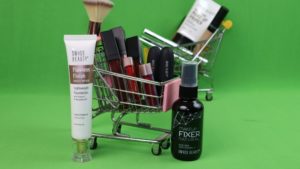

Popular Cosmetic Ingredients – Efficacy, Safety and European Regulation
The European cosmetics market is constantly evolving, driven by an increasing demand for products that are both effective and safe, often featuring active ingredients of
Welcome to Cosmetic Compliance News — Taobe Consulting’s hub for EU & UK regulatory updates that matter to cosmetic brands and manufacturers. From the proposed EUDR simplification and the Borderline Manual to CPSR requirements, microplastics guidance, braille labelling in Spain, and tattoo-ink rules, we break down complex regulation into clear, actionable advice.
Each post explains what the change means for your labels, product information file (PIF), safety reporting and market access — with practical timelines, risks to anticipate, and steps to stay compliant across europe & the uk.
Subscribe to our newsletter below for concise, strategic analysis and never miss a compliance deadline.

The European cosmetics market is constantly evolving, driven by an increasing demand for products that are both effective and safe, often featuring active ingredients of

Spanish Law 4/2022 of February 25 on the protection of consumers and users, incorporated the mandatory labeling in Braille on consumer products, such as cosmetics.

FSC Certification, Due Diligence and Microplastic-Free Declarations In the cosmetics industry, regulatory compliance is a fundamental requirement for placing a product on the European market.

Tattoos are no longer a passing fad. Once rooted in tribal traditions, they have become a global cultural phenomenon, with millions choosing to imprint permanent

Talc, a naturally occurring mineral composed of magnesium silicate, has been a subject of debate in the cosmetics industry for decades. Valued for its absorbent,

22nd and 23rd Adaptations to Technical and Scientific Progress (ATP): Updates for Cosmetic Ingredients Within the European regulatory framework, Regulation (EC) No 1272/2008 on Classification,