
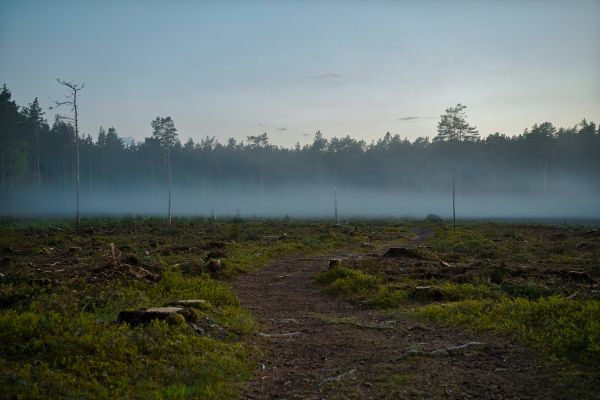
How is the EU helping businesses comply with the deforestation law?
The EU is helping businesses meet the EU Deforestation Regulation (EUDR), with simplified due diligence and targeted support, especially for SMEs, while keeping environmental protections intact.
The European Commission has unveiled new measures to help implement the EU Deforestation Regulation (EUDR). The regulation aims to stop products linked to deforestation or forest degradation from entering the EU market. The Commission’s plan includes a support package for businesses, Member States, and third countries, tackling the technical and administrative challenges identified during the early stages of the law’s rollout.
The Commission aims to ensure that due diligence criteria—covering raw materials such as wood, soybeans, cocoa, pulp, palm oil, and leather—are applied consistently and supported with sufficient resources. Authorities acknowledge that some IT systems, procedures, and supply chains need time and adaptation to operate effectively. As a result, technical support for small operators and improved cooperation between Member States is proposed to prevent misalignments within the EU market.
Trade associations, however, warn that oversimplifying or extending the rules could undermine the legislation’s environmental goals. Striking the right balance between ambition and practicality remains central to the debate. Companies operating in global supply chains are advised to monitor the law’s implementation closely, check their supply chains, and align internal control systems with the new requirements.
In summary, the Commission expects that, while upholding the fight against deforestation, support measures will help ensure companies—particularly SMEs—are prepared. The aim is to prevent the regulation from becoming an unnecessary obstacle to European competitiveness.
Key takeaways: EU Deforestation Regulation (EUDR)
- Commission introduces support to help businesses comply.
- Due diligence applies to wood, soybeans, cocoa, pulp, palm oil, and leather.
- Support focuses on SMEs and coordination between Member States.
- Companies should check supply chains and align controls.
- Measures aim to keep environmental goals while supporting competitiveness.