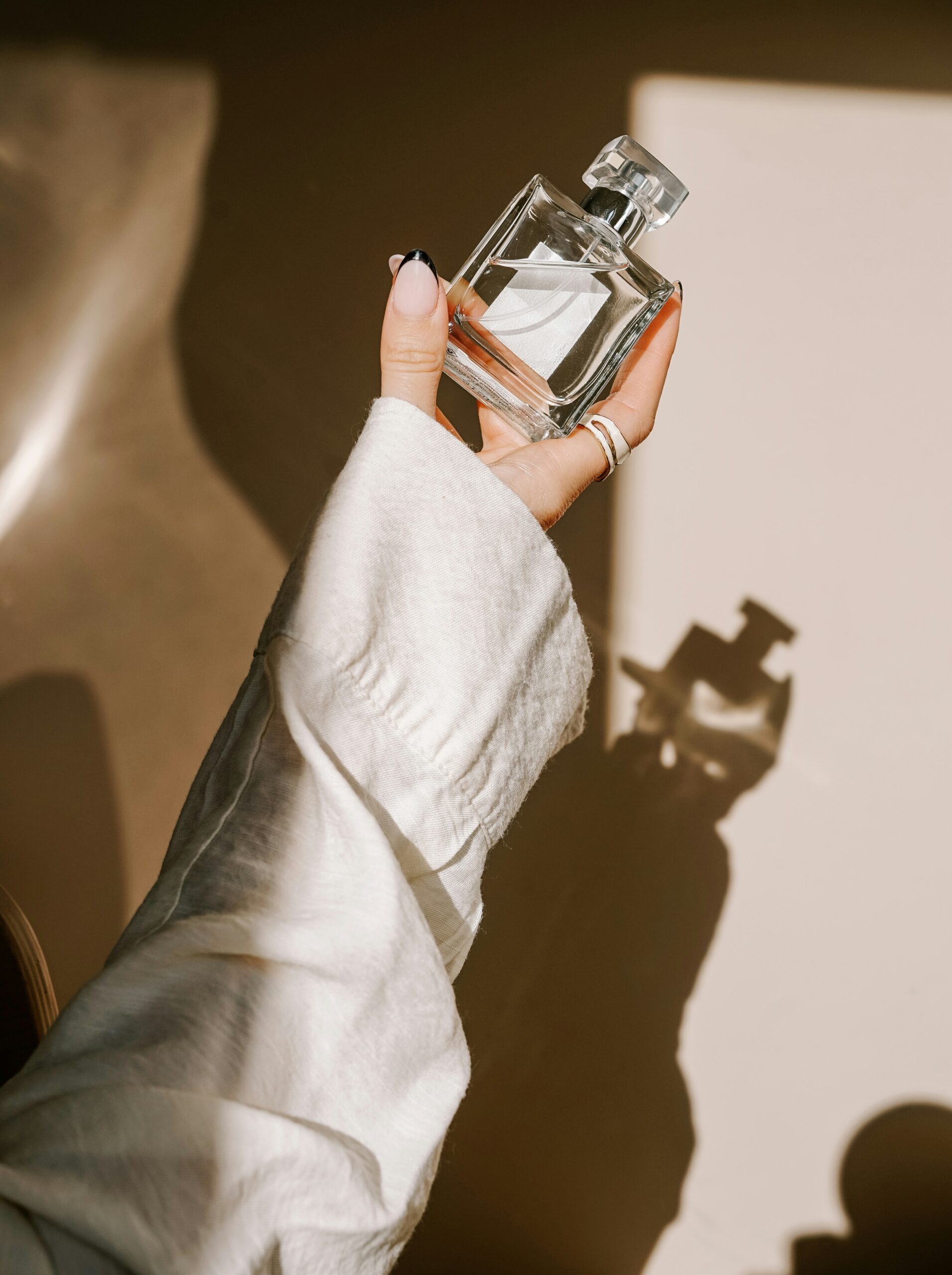
The rise of “cosmetic dupes” has become a defining trend in the beauty industry, driven largely by social media and consumer demand for affordable alternatives to high-end products. However, according to FEBEA (the French Federation of Beauty Companies), this phenomenon may carry significant risks that go far beyond simple market competition.
Cosmetic dupes are products designed to mimic the appearance, performance, or branding of well-known, often premium, cosmetics. While they are typically marketed as legal and more accessible alternatives, FEBEA warns that the line between inspiration and imitation is becoming increasingly blurred. In some cases, dupes can mislead consumers, creating confusion about product origin, quality, and safety.
One of the primary concerns raised by FEBEA is product safety. Unlike established brands that invest heavily in research, development, and regulatory compliance, some dupe manufacturers may cut corners to reduce costs. This can result in formulations that have not undergone adequate safety assessments or stability testing. As a consequence, consumers may be exposed to harmful substances, allergens, or contaminants that would not be present in rigorously tested products.
Another issue is regulatory compliance. In the European Union, cosmetic products must adhere to strict requirements under Regulation (EC) No 1223/2009, including the preparation of a Product Information File (PIF) and a Cosmetic Product Safety Report (CPSR). FEBEA highlights that certain dupe products, especially those sold online marketplaces or imported from outside the EU, may not fully comply with these obligations. This creates a gap in consumer protection and undermines the integrity of the regulatory framework.
Intellectual property rights also play a crucial role in this debate. While not all dupes are illegal, some may infringe on trademarks, packaging design, or even product formulations. FEBEA emphasizes that such practices can damage innovation by discouraging investment from companies that rely on brand differentiation and scientific advancement.
Finally, the rapid spread of dupes through social media platforms amplifies the problem. Influencers often promote these products without fully understanding or disclosing potential risks, contributing to a perception that all dupes are safe and equivalent to their high-end counterparts.
In conclusion, while cosmetic dupes may appeal to cost-conscious consumers, FEBEA urges caution. The organization calls for greater awareness, stricter enforcement of regulations, and more responsible communication within the beauty community. Ensuring product safety and transparency should remain the top priority in an industry that directly impacts consumer health.