What is the Current Regulatory Status of Titanium Dioxide (TiO₂) in the EU?
Titanium dioxide (TiO₂), widely used in cosmetics, paints, plastics, and food, was previously classified as a suspected carcinogen by inhalation in powder form.
As of 1 August 2025, the Court of Justice of the European Union (CJEU) annulled this classification, following nearly ten years of regulatory review, appeals, and scientific debate.
The ruling clarifies the legal and regulatory status of TiO₂, allowing its continued use in non-inhalable products while reinforcing the importance of scientific evidence in EU classification decisions.
Introduction
Titanium dioxide is one of the most commonly used substances in industry, prized for its opacity, whiteness, and UV-reflective properties. In cosmetics, it serves as a colourant, UV filter, and mattifier, while it also plays key roles in paints, plastics, pharmaceuticals, and formerly in food.
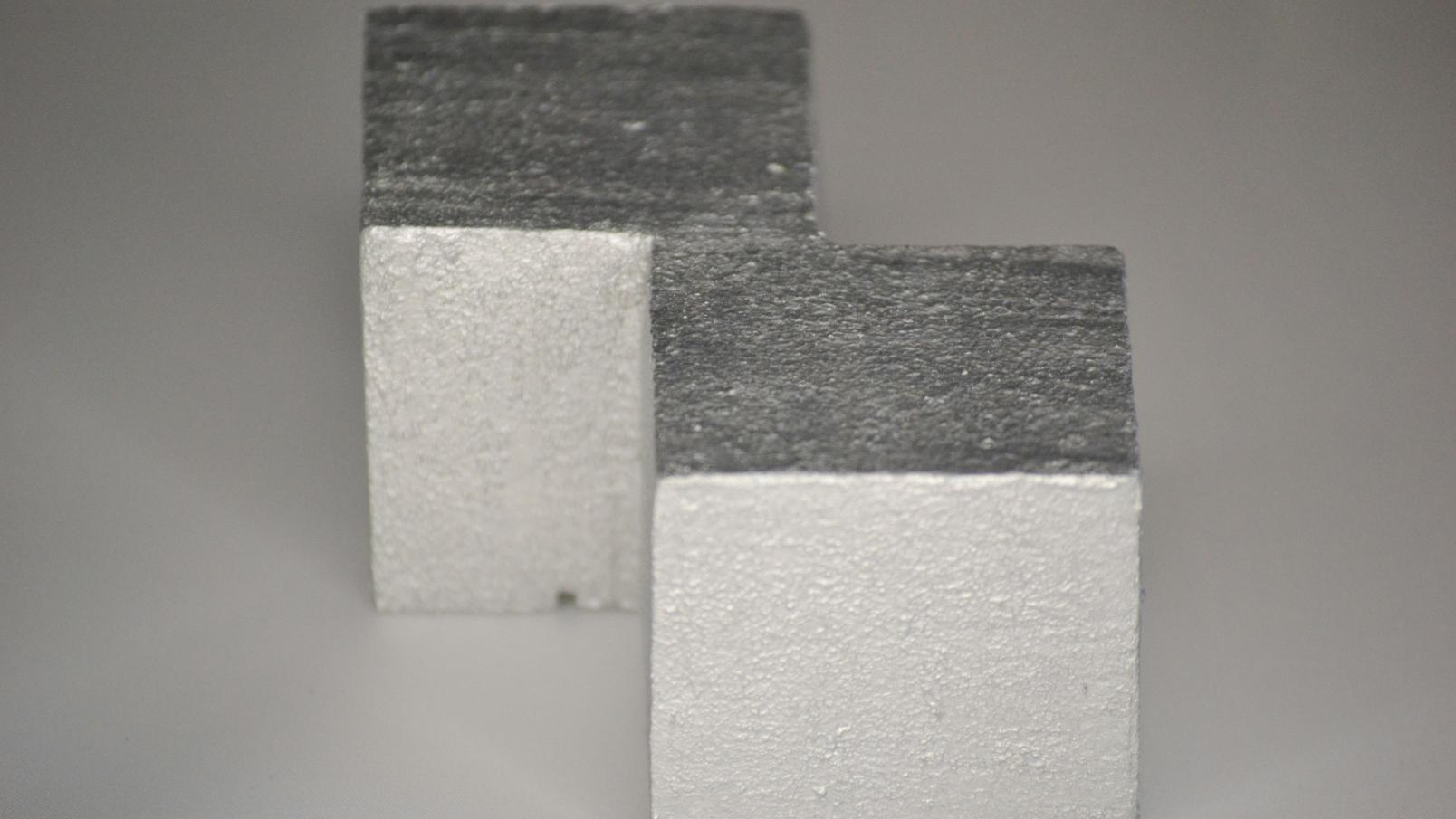
In its pigment form, it appears as a fine white powder with high opacity. It is chemically stable, insoluble in water and characterised by a high refractive index.
Over the past decade, regulatory scrutiny focused on potential health risks from inhaling fine or nano TiO₂ particles, sparking a complex process involving scientific assessments, EU agencies, and multiple court rulings.
This article traces the evolution of TiO₂ regulation, from initial classification as a suspected carcinogen to the recent annulment by the CJEU.
Within the cosmetics industry, TiO₂ is primarily used for three key functions:
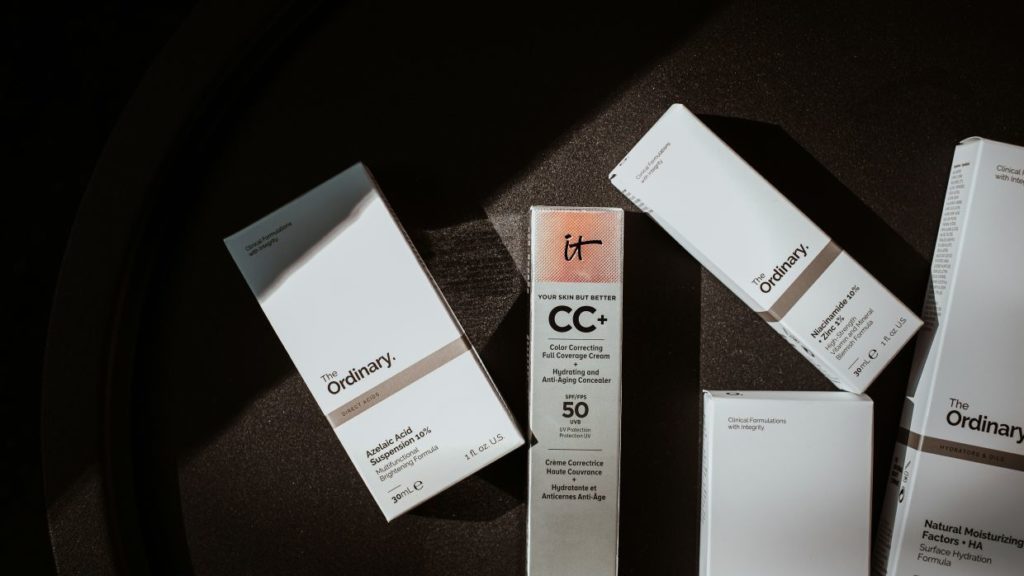
- As a dye (CI 77891): listed in Annex IV of Regulation (EC) No. 1223/2009, it is used to provide colour in foundations, powders, lipsticks, toothpastes and other decorative cosmetic products.
- As a UV filter: authorised under Annex VI, it is used in sunscreens and skincare products with a photoprotective function, due to its ability to reflect and scatter UVA and UVB rays. When used in nano form, it allows for transparent formulations without the traditional “white cast”.
- As a mattifier and covering agent: it enhances the visual texture of formulations and helps create a more even-looking complexion.
Beyond cosmetics, titanium dioxide is also widely used across a range of other industries:
- Paint and coatings industry: thanks to its strong covering power and light-reflective properties, it is the most widely used white pigment globally.
- Plastics and paper: used to improve gloss, durability and opacity.
- Pharmaceutical: included as an excipient in tablet and capsule coatings.
- Food (E171): previously used as a colouring agent, it is no longer authorised for use in food within the European Union, following precautionary concerns related to the potential genotoxicity of smaller particles.
The widespread use of TiO₂, particularly in micronised or nano form, has attracted increasing scrutiny from regulatory authorities. This attention has focused mainly on exposure by inhalation and the potential effects on human health.
As a result, a series of regulatory considerations has emerged, leading to ongoing exchanges between authorities and the market, and ultimately to a negative evaluation of the ingredient and its classification as carcinogenic.
Below, we examine in detail the key developments of recent years and outline the current regulatory situation.
A Technical-regulatory and Jurisprudential Chronology
Titanium Dioxide (TiO₂) EU Regulation and Carcinogenic Classification Timeline
It is only recently, on 1 August, that the Court of Justice of the European Union (CJEU) confirmed the annulment of the classification of titanium dioxide (TiO₂), in certain powder forms, as a substance suspected of being carcinogenic by inhalation.
This ruling brings to a close a lengthy technical and regulatory process that began almost ten years ago, with significant implications for multiple industrial sectors, including cosmetics.
Below, we examine the key stages of this process in detail.
2016 — The Initial Proposal of ANSES
In May 2016, the Agence Nationale de Sécurité Sanitaire de L’alimentation, de L’environnement et du Travail (ANSES), the French health agency, submitted to the European Chemicals Agency (ECHA) a proposal for the classification of titanium dioxide as a category 1B carcinogen by inhalation, under the REACH Regulation (EC) No. 1907/2006.
The proposal was mainly based on inhalation studies in rats, in which prolonged exposure to high concentrations of fine TiO₂ particles resulted in lung overload, chronic inflammation and, subsequently, tumour formation.
However, this non-genotoxic mechanism, based on a physical-mechanical and non-chemical reaction, has long been the subject of debate in the scientific community due to its low toxicological relevance to humans.
2017 — ECHA’s RAC Opinion
In June 2017, ECHA’s Committee for Risk Assessment (RAC), mandated by ANSES, therefore issued a favourable opinion on the classification of TiO₂ as a category 2 carcinogen (Carc. 2) by inhalation.
RAC pointed out that the carcinogenic potential was not related to the chemical nature of the substance, but to the physicochemical characteristics of the particles (size, shape, persistence in the lungs).
2020 – Formal Classification in the EU via the 14th ATP of CLP
On 18 February 2020, the European Commission adopted Regulation (EU) 2020/217, known as the 14th adaptation to technical progress (ATP) of the CLP Regulation (EC No. 1272/2008).
The regulation classified titanium dioxide in the form of a powder containing ≥1% of particles with an aerodynamic diameter ≤10 μm as Carc. 2 for inhalation, also imposing additional danger phrases to be indicated on the label such as:
EUH211: “Warning! In case of dangerous dust formation, avoid inhaling the dust.”
This classification has generated concern among numerous industrial sectors, particularly paints, plastics, inks, paper and cosmetics, where TiO₂ is widely used.
2021 – Impact on the Cosmetics Sector: Ban and Derogations
Titanium dioxide is a cosmetic ingredient, as mentioned, widely used for its opaque, mattifying and photoprotective properties.
It appears in two annexes to Regulation (EC) No. 1223/2009 on cosmetics:
- Annex IV — as a colouring agent (CI 77891)
- Annex VI — as a UV filter, with specific conditions of use
Following the classification as Carc. 2, and following the aforementioned ATP adjustment, the Commission adopted Regulation (EU) 2021/850 (third “CMR” Regulation), which amended Annex II of the Cosmetics Regulation, prohibiting the use of TiO₂ in forms classified as carcinogenic, with exceptions.
In particular, a derogation for use in non-inhalable products, such as creams and toothpastes, has been maintained as they do not have direct exposure to respirable powder forms.
However, the classification led to regulatory confusion, as the same substance was authorised in some uses and banned in others, based on the physical form and size of the particles.
2022 — The General Court of the European Union Annuls the Classification

A number of economic actors — including producers, importers and downstream users of TiO₂, as well as industry associations — have filed appeals with the General Court of the European Union (Case T279/20 and related cases), arguing that:
- The classification was based on unsound scientific data;
- The hazard criterion was not fully satisfied, as the mechanism of action was not directly relevant to humans;
- The Commission had misused the CLP rules, which do not provide for classification on the basis of specific shapes.
On 23 November 2022, the General Court annulled the classification and labelling, finding a manifest error of assessment on the part of the Commission and RAC. In particular, the way in which the reliability of the key scientific study had been considered, as well as the absence of an overall assessment of all relevant factors, was contested.
2023–2025 — Appeal and Final Judgment of the CJEU
France and the European Commission appealed against the decision before the Court of Justice of the European Union (joined cases C-71/23 and C-82/23).
On 1 August 2025, the CJEU dismissed the appeals and upheld the annulment. The Court ruled that:
- RAC did not take into account all available scientific data;
- The evaluation of the study on which the classification was based was vitiated by methodological errors;
The precautionary principle, while important, cannot justify a classification that is not supported by sufficient scientific evidence consistent with the CLP criteria.
Conclusions: Between Scientific Rigor and Protection of Public Health
The case of titanium dioxide represents a relevant jurisprudential precedent on several fronts:
- It underlines the limitations of the CLP hazard-based classification system , when the hazard depends on physical parameters and exposure conditions;
- Reiterates the need for scientific rigour and proportionate evaluation of data, especially when it comes to widely used substances;
- It highlights the central role of judicial review in European regulatory decisions.
For the cosmetics sector, the story reopens the debate on the balance between consumer safety and industrial sustainability, especially in a regulatory context that is increasingly attentive to scientific transparency and the traceability of regulatory decisions.
Are you unsure about the current regulatory status of TiO₂? Concerned that there may be new developments and that you might not be fully up to date?
Contact us, and we will be happy to help ensure your products remain compliant across all relevant markets.
Key Takeaways: Titanium Dioxide Regulation in the EU
- TiO₂ uses: Widely employed in cosmetics, paints, plastics, inks, paper, pharmaceuticals, and formerly food (E171).
- Initial classification: Proposed by ANSES in 2016 as a suspected carcinogen via inhalation based on rat studies.
- EU CLP classification: In 2020, TiO₂ powders with particles ≤10 µm were formally classified as Carc. 2 under the 14th ATP of the CLP Regulation.
- Cosmetic impact: Led to partial bans in inhalable forms, with derogations for creams, toothpastes, and other non-inhalable products.
- Legal challenge: Appeals led to the General Court annulling the classification in 2022, followed by final CJEU confirmation in 2025.
- Current status: TiO₂ is no longer classified as a suspected carcinogen by inhalation for certain powder forms, but regulatory oversight continues.
- Regulatory lesson: Highlights the importance of scientific rigour, exposure-based evaluation, and judicial review in EU chemical regulation.
FAQs: Titanium Dioxide (TiO₂) Regulation in the EU
Is titanium dioxide classified as carcinogenic in the EU?
Titanium dioxide was classified in 2020 as a suspected carcinogen by inhalation (Carc. 2) for certain powder forms. This classification was annulled by the CJEU on 1 August 2025.
Why was titanium dioxide classified as a suspected carcinogen?
The classification was based on rat inhalation studies showing lung overload and tumour formation after exposure to high concentrations of fine TiO₂ particles.
Does the classification apply to all forms of titanium dioxide?
No. It applied only to powder forms containing particles ≤10 μm and only in relation to inhalation exposure.
Is titanium dioxide still allowed in cosmetics?
Yes. TiO₂ remains authorised as a colourant (CI 77891) and as a UV filter, with restrictions for inhalable products.
Why did the EU courts annul the classification?
The courts found methodological errors and an incomplete scientific assessment supporting the classification.
What is the current regulatory status of titanium dioxide?
As of 1 August 2025, titanium dioxide is no longer classified as a suspected carcinogen by inhalation under EU law.